News
Oct.23, 2026
An API 600 gate valve is a steel valve built to the requirements of API Standard 600. For engineers comparing API 600 gate valve specifications or sourcing an API 600 steel gate valve for refinery service, the standard helps define design and construction requirements—but it does not replace checking the valve’s pressure rating, materials, and operating conditions. This guide explains what the standard covers and how to choose and use the valve safely. When reviewing the gate valve range, confirm the design standard for the exact model rather than assuming every gate valve follows API 600.
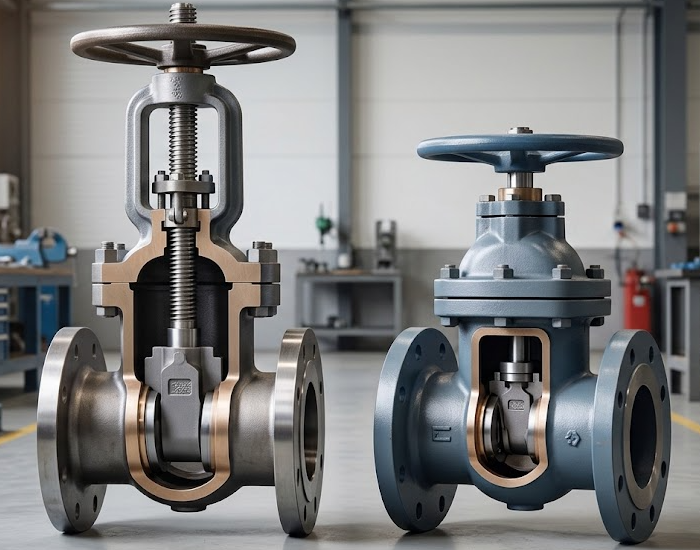
An API 600 gate valve uses a moving gate to open or block the flow path
API 600 is an American Petroleum Institute standard titled Steel Gate Valves—Flanged and Butt-welding Ends, Bolted Bonnets. It sets requirements for covered steel gate valve designs used in demanding process and energy services. The standard addresses aspects such as valve design, materials, dimensions, and testing requirements. Always confirm the edition specified in the purchase contract, since standards can be revised.
A gate valve is a linear-motion valve. Turning the handwheel or operating a suitable actuator moves a gate, often called a wedge, up or down between the valve seats. When fully open, the gate moves clear of the main flow path. When fully closed, it blocks flow. Gate valves are generally selected for on/off isolation, not for controlling flow at partly open positions. For the underlying mechanism and construction details, see how a gate valve works.
API 600 is a design standard, not a guarantee that every valve will suit every fluid or operating condition. A compliant valve still needs the correct pressure class, material, trim, end connection, and operating method for the service.
Do not use extra force to compensate for a jammed valve or a leak. Forcing the stem can damage the stem, gate, seats, or actuator. Follow the manufacturer’s operating instructions and the site’s isolation procedures.
API 600 gate valves are commonly considered for steel process piping where dependable isolation is needed. Typical applications include:
These are application examples, not a blanket approval for every medium. Corrosive, abrasive, high-temperature, or hazardous fluids require careful review of material compatibility, seat design, pressure-temperature limits, and maintenance needs. Review when to use a gate valve to check whether the isolation duty fits before selecting a particular construction standard.
These benefits depend on correct selection, manufacturing quality, installation, and upkeep. A standard number alone does not establish a valve’s suitability or expected service life. The bolted-bonnet steel gate valve product page lists API 600 as a design reference; confirm the ordered configuration, applicable edition, and supporting documents before treating it as suitable for a specific project.
Before ordering, collect the operating data and compare it with the valve documentation. Use the industrial valve selection checklist to organize the service conditions, materials, connections, and documentation requirements. A qualified engineer should review the final selection for critical or hazardous service.
For technical reference, consult the API standards information and purchasing resources and the official ASME B16.34 standard page. Obtain the full standards, check applicable revisions and errata, and confirm the editions required by the purchase contract.
Operate the valve as an isolation device. Avoid leaving it partly open to regulate flow unless the manufacturer has specifically approved that operating condition. High-velocity flow across a partly open gate can contribute to vibration, erosion, or damage. Use the site’s lockout and isolation procedures before maintenance.
Inspection frequency depends on service conditions and site requirements. Check for external leakage, corrosion, unusual operating effort, damaged handwheels or actuators, and problems with the stem or packing. If leakage or binding occurs, isolate and depressurize the line according to approved procedures before inspection. Use qualified personnel and the manufacturer’s maintenance guidance. When arranging valve service and technical support, provide the valve identification, service conditions, and observed symptoms, and confirm the available support scope for the installation.
Valve standards cover different designs and uses, so they are not interchangeable labels. API 600 applies to its stated steel gate valve scope. API 602 addresses compact steel gate, globe, and check valves in its defined scope, while API 6D covers pipeline and piping valves. The correct standard depends on the valve type, service, piping specification, and project requirements. Check the standard’s scope rather than choosing by name alone.
For compact small-bore isolation duties, consult the API 602 forged steel gate valve guide and confirm which standard
Generally, no. Gate valves are primarily intended for isolation. Operating one partly open to control flow can cause vibration, seat or gate erosion, and unstable control. Our guide to whether a gate valve can be used for throttling explains these risks and alternative valve choices. Use a control valve or another suitable design where flow regulation is required.
API 600 provides design requirements within its scope, but the selected pressure class and allowable pressure at operating temperature must be checked against the applicable rating tables, materials, and project codes. A Class number should not be treated as a fixed pressure limit at every temperature.
API 600 is a steel gate valve design standard within its stated scope. API 598 covers inspection and testing requirements for valves. A project may call for both, but the purchase specification should identify the applicable editions and acceptance criteria.
Not automatically. Installation orientation can affect operation and maintenance access. Follow the manufacturer’s instructions, check the valve design, and confirm the site piping requirements before installation.
Check the manufacturer, nameplate, purchase specification, standard edition, material records, and inspection or test documentation. Ask the supplier to resolve any mismatch between the certificate, datasheet, and delivered valve before installation.
Start with the line’s pressure, temperature, medium, and connection details. Then compare the valve datasheet and certificates with the current project requirements and the applicable API and ASME standards. For help reviewing an API 600 gate valve selection, contact KAIWEI VALVE with the valve size, service conditions, required standard editions, and inspection documentation. Request a product datasheet, technical discussion, or project quotation before placing an order.
More News