News
Oct.16, 2026
Small-bore process lines can face high pressure, heat, vibration, and limited installation space. An API 602 forged steel gate valve is used for isolation when its design, materials, and ratings suit the piping system. API 602 covers compact valve designs in sizes up to NPS 4 (DN 100), but a particular manufacturer’s range may be narrower. When reviewing the forged steel valve range, confirm the valve type and model-specific specification. This guide explains how an API 602 compact forged gate valve works, where it is used, and what to check when selecting and installing one.
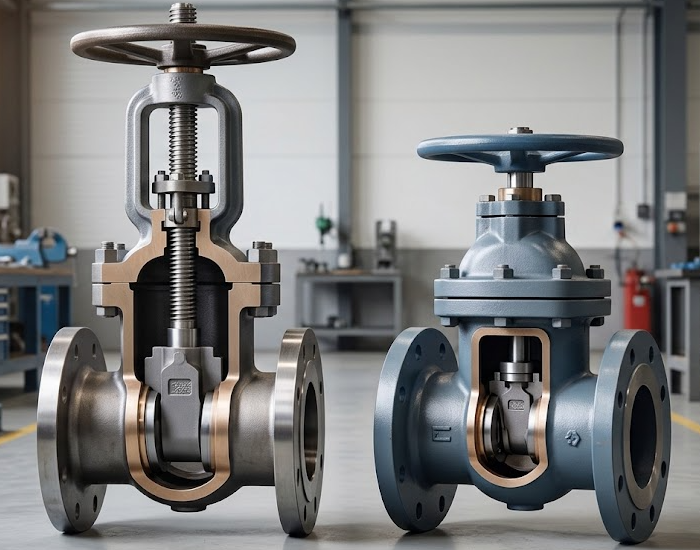
Simplified illustration of the main parts of a forged steel gate valve
API 602 is a standard for compact gate, globe, and check valves used in petroleum and natural gas industries. Its scope covers valves in sizes up to NPS 4 (DN 100). A gate valve opens or blocks flow by moving a gate, also called a wedge, up or down across the flow path. For the underlying mechanism, see how a gate valve works.
In a forged steel valve, the pressure-containing body is made from a steel forging rather than a casting. The forging is shaped and machined to form the valve body. The exact material, pressure class, dimensions, end connections, and test requirements depend on the selected design and applicable standard edition. Confirm the material grade and product form in the documentation rather than relying on a product name alone.
API 602 does not mean that every valve has the same pressure limit or materials. Pressure-temperature ratings depend on factors such as material group, pressure class, and operating temperature. Confirm the rating from the manufacturer’s documentation and the applicable requirements, including ASME B16.34 where specified.
Turning the handwheel operates the stem mechanism. The stem raises the gate to open the valve or lowers it to close the passage. When fully open, the gate moves clear of the main flow path. When fully closed, it contacts the seating surfaces to isolate flow, subject to the specified leakage acceptance criteria.
Gate valves are mainly for on-off isolation, not flow regulation. Leaving a gate partly open can expose the seating surfaces to high-velocity flow, which may cause wear, vibration, or damage. Use a properly selected control valve when the process needs regular throttling.
These valves are commonly considered for small-bore lines where a compact, pressure-rated isolation valve is needed. Typical service areas include:
Do not select a valve based on industry alone. Check the fluid, pressure, temperature, corrosion risks, cycling frequency, and applicable plant or project specifications.
Forged construction alone does not guarantee better performance in every application. Correct sizing, materials, manufacturing quality, installation, and maintenance all affect service life and safety. The forged steel gate valve product page provides a starting point for a model-specific inquiry; confirm the ordered size, connection, materials, and operating limits in the supplied documentation.
Use the industrial valve selection checklist to gather the process and piping information before comparing quotations.
Set inspection intervals based on service severity, site procedures, and regulatory requirements. Check for external leakage, stem or packing problems, corrosion, abnormal operating effort, and damage to end connections. If the valve leaks internally or becomes difficult to operate, follow the manufacturer’s service guidance and use qualified personnel. Pressure testing after repair must follow the applicable code and site procedure. When requesting valve service and technical support, provide the model, service conditions, and observed symptoms, and confirm the available support scope for the installation.
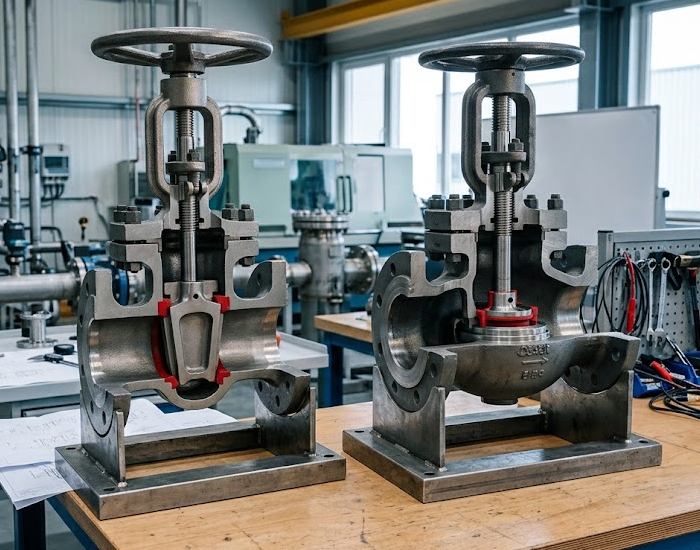
API 600 and API 602 are not interchangeable labels. The API 600 gate valve guide explains the scope of bolted-bonnet steel gate valves with flanged or butt-welding ends, while API 602 addresses compact gate, globe, and check valves within its defined scope. Select the standard required by the actual piping specification, not by a forged-versus-cast shortcut alone.
Standards can be revised. Check published editions, amendments, and contract requirements rather than relying on an old data sheet. A draft revision is not automatically the edition applicable to a purchase order.
API 602 covers compact gate, globe, and check valves in sizes up to NPS 4 (DN 100). Confirm the exact size and design in the current standard and manufacturer’s documentation.
No. API 602 also covers specified globe and check valves. Confirm the valve type on the nameplate and data sheet.
Gate valves are generally intended for isolation, not routine throttling. A partly open gate may experience seat wear, vibration, or flow-related damage. Read whether a gate valve can be used for throttling before considering partial-open operation. Select a properly sized control valve for continuous flow adjustment.
No. The class designation is not a direct pressure value in psi. The permitted pressure depends on material, temperature, the applicable rating tables, and the valve design. Check the manufacturer’s certified rating for the intended conditions.
The terms describe how the body material is formed. Forged bodies are shaped from forged stock, while cast bodies are formed by pouring molten metal into a mold. The best choice depends on design, size, material, service, applicable standards, and verified manufacturing quality.
Provide valve type, size, pressure and temperature, fluid, material requirements, end connection, operating method, applicable standards, and any special testing or certification needs. This helps the supplier check suitability instead of guessing from a product name.
For product information, selection support, or a project quotation, contact KAIWEI VALVE with the valve size, medium, operating pressure and temperature, connection details, installation clearance, and required inspection documents. A forged steel gate valve for high-pressure service should be selected from verified pressure-temperature ratings and material records—not from its class label alone.
More News