Oct.09, 2026
An industrial valve may look like one small part of a plant, but a leak or blocked valve can interrupt production, waste energy, or create a safety risk. Knowing the common industrial valve failure causes helps operators spot trouble before it becomes an unplanned shutdown. This guide explains how to recognize the main problems, what to check, and how to prevent repeat failures in water, oil and gas, power, and manufacturing systems.
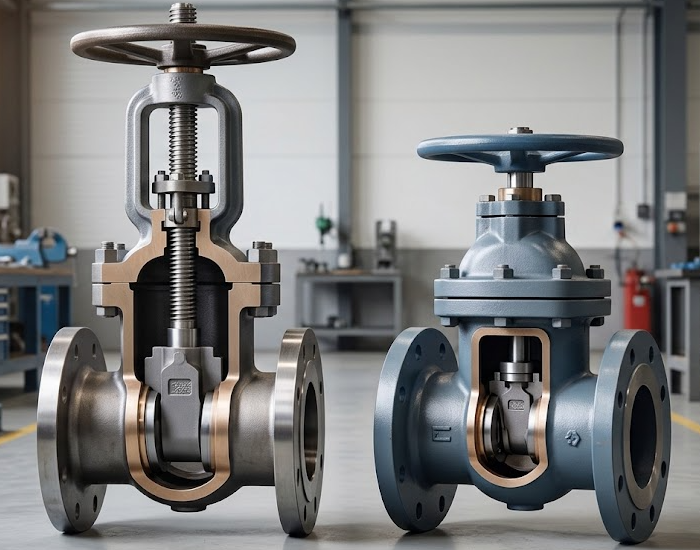
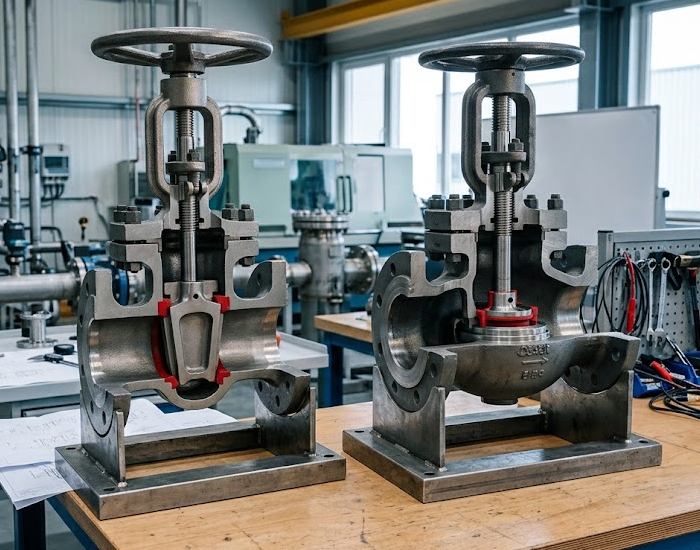
An industrial valve is a mechanical device that starts, stops, directs, or regulates the flow of a fluid through a pipe. The fluid may be water, steam, oil, gas, chemicals, or a mixture containing solids. Common valve types include gate, globe, ball, butterfly, check, and control valves.
Several terms help describe valve condition:
A valve can fail to seal, fail to move, or fail to control flow accurately. The likely cause depends on its design, process conditions, materials, installation, and maintenance history.
Do not assume every leak has the same cause. Record where the fluid appears, when the problem occurs, and whether the valve is open, closed, or changing position. Compare the results with the valve’s design limits and the system’s normal operating conditions.
| Failure | Common signs | Possible causes |
|---|---|---|
| External leakage | Drips, spray, visible vapor, or fluid around the body, bonnet, flange, or stem | Worn packing or gasket, loose or damaged joint, corrosion, excessive pressure, or installation damage |
| Internal seat leakage | Flow continues after closure; pressure or temperature changes downstream | Worn or damaged seat, debris, erosion, corrosion, or incorrect closing force |
| Sticking or hard operation | High handwheel effort, slow movement, or failure to reach the end position | Deposits, corrosion, poor lubrication where applicable, bent stem, misalignment, or actuator trouble |
| Corrosion or erosion | Pitting, thinning, rough surfaces, damaged trim, or a growing leak | Fluid chemistry, unsuitable materials, high flow speed, or suspended particles |
| Cavitation or flashing in liquid service | Crackling or rattling noise, vibration, unstable flow, and possible surface damage | Pressure conditions that cause vapor bubbles to form or persist as liquid pressure changes across the valve |
| Actuator or control fault | Incorrect position, slow response, hunting, or failure to respond to a command | Loss of air or power, wiring or signal faults, instrument problems, or mechanical wear |
External leakage is often the most visible problem. Check the location without touching or approaching a suspected hot, toxic, flammable, or high-pressure leak. Leakage around the stem may point to worn or incorrectly installed packing. Leakage at a joint can involve a gasket, flange, fastener, or damaged sealing face. A crack or corroded section may require valve replacement rather than tightening.
Do not tighten a valve joint or packing while the line is pressurized unless a written site procedure specifically allows the task and trained personnel have assessed the risk. Tightening can damage parts or expose a worker to escaping fluid.
A closed valve that still allows flow may have a damaged seat or closure surface. Dirt, scale, weld debris, and other particles can prevent a tight seal. Repeated operation outside the valve’s intended pressure or temperature range can also damage sealing parts. For a control valve, a mismatch between the valve and operating conditions may contribute to poor shutoff or unstable control.
Confirm the problem using an approved test method. A passing or failing result depends on the valve type, size, class, test medium, and applicable specification; do not treat one universal leakage limit as suitable for every valve. covers inspection and pressure testing for certain valve types. Check the applicable edition and project requirements before using it as an acceptance basis.
A valve that becomes hard to operate may have deposits in the body, corrosion on moving parts, a misaligned pipe connection, or a damaged stem. An actuator may also be undersized, incorrectly set, or short of its air or power supply. Forcing the handwheel or actuator can turn a minor fault into a bent stem, broken gear, or damaged seat.
Compare actual movement with the position indicator and control-system feedback. If they do not agree, check the mechanical linkage and the position sensor as well as the valve itself.
Corrosion is chemical or electrochemical damage to a material. Erosion is surface wear caused by moving fluid or particles. Both can thin the valve wall, damage trim, and lead to leakage. The wrong body, seat, or trim material for the process fluid can shorten service life. A material selection review should consider fluid composition, concentration, temperature, pressure, and contaminants.
Look for a pattern: damage concentrated near a flow path may suggest erosion, while pitting or broad surface attack may suggest corrosion. A qualified inspection is needed to confirm the cause and decide whether repair or replacement is safe.
In liquid service, a large pressure drop across a valve can cause vapor bubbles to form. When those bubbles collapse as pressure rises again, cavitation can produce noise, vibration, and surface damage. Flashing is different: vapor forms and remains in the downstream flow because the pressure does not recover enough to turn it back into liquid. Both conditions can damage equipment, but the remedy depends on the process and valve design.
Do not diagnose cavitation from sound alone. A process or valve specialist can review upstream and downstream pressure, temperature, flow rate, fluid properties, and the valve’s sizing data. The explains control-valve selection, sizing, and flow effects in more detail.
Automated valves rely on more than the valve body. A pneumatic actuator needs an adequate air supply; an electric actuator needs its power and control signals; and a positioner must translate the control signal into the intended valve movement. A failed instrument, loose connection, incorrect configuration, or damaged linkage can make a sound valve appear faulty.
Check alarms and available diagnostics before removing equipment. Use approved electrical and process-isolation procedures, and have qualified staff test control signals and actuator operation.
OSHA’s , sets requirements for controlling hazardous energy during servicing in covered U.S. workplaces. Local laws and site procedures may add requirements. Never rely on a closed valve alone as proof that a line is safe to work on.
Industrial valves appear anywhere a process must control fluid flow. Their service conditions differ, so the right valve design and maintenance plan depend on the application.
A reliable valve helps a plant control flow, protect equipment, and keep a process within its operating limits. Early detection can also help teams plan maintenance instead of reacting to an unexpected failure. The value is not just fewer leaks: correct valve operation supports product quality, energy use, worker safety, and production availability.
There is no single failure rate or service-life figure that applies to all industrial valves. Life depends on valve design, fluid, operating cycles, installation, maintenance, and the severity of the service. Use site history and manufacturer guidance to set inspection intervals rather than relying on a generic number.
Use an industrial valve lifespan assessment to connect failure history and inspection findings with a documented repair, monitoring, or replacement decision.
There is no universal answer because failure patterns vary by valve type and service. External leakage, seat leakage, sticking, corrosion or erosion, and actuator faults are common problems to investigate. Plant maintenance records provide the best evidence for which failure is most frequent in a specific system.
Do not assume it is safe. Work on a pressurized or hazardous line can expose workers to serious injury. Follow site rules, risk assessments, and manufacturer guidance. In many cases, the system must be isolated and verified safe before repair.
Possible causes include debris on the seat, wear, corrosion, erosion, damage to the closure parts, or an operating condition outside the valve’s design. Confirm the leak using an approved procedure and check the applicable acceptance criteria for that valve.
Noise can come from cavitation, flashing, high fluid velocity, vibration, loose supports, or a mechanical or actuator problem. Since these causes need different solutions, check process data and equipment condition rather than replacing parts based on sound alone.
Set inspection frequency using the manufacturer’s recommendations, the site maintenance program, legal requirements, service conditions, and failure history. Critical or harsh-service valves may need more attention than low-risk utility valves.
Replacement may be appropriate when the body is cracked or badly corroded, the correct parts are unavailable, repeated repairs do not solve the problem, or the valve no longer meets process or safety needs. A qualified engineer or maintenance lead should approve the decision.
Start with the valve tag, the manufacturer’s user manual, and your site’s isolation procedure. Record symptoms before maintenance begins, then compare inspection and test results with the applicable specification. For a new valve or replacement, confirm the service conditions and material requirements before ordering. Readers evaluating KAIWEI VALVE products can contact the brand for model-specific documentation and selection details; verify that any proposed valve matches the system requirements. Use this industrial valve troubleshooting guide as a starting point, not a substitute for qualified engineering review or safe-work procedures.
More News