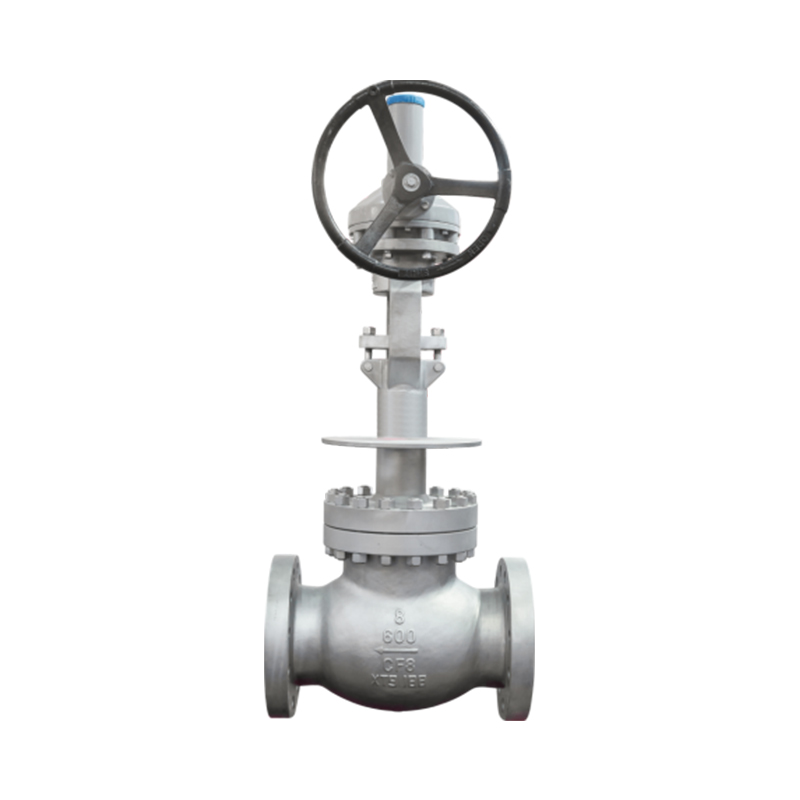
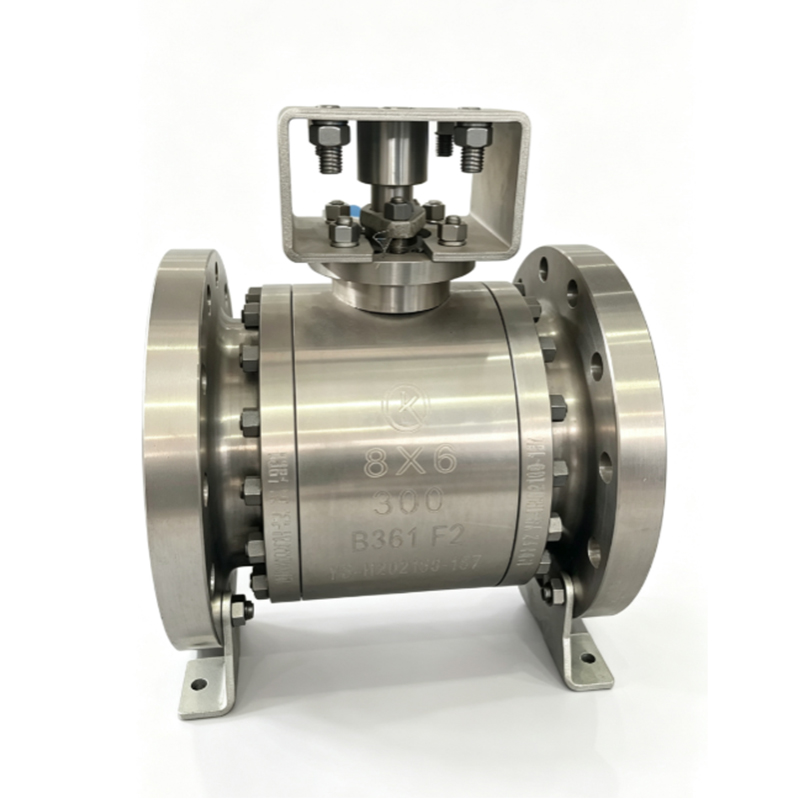
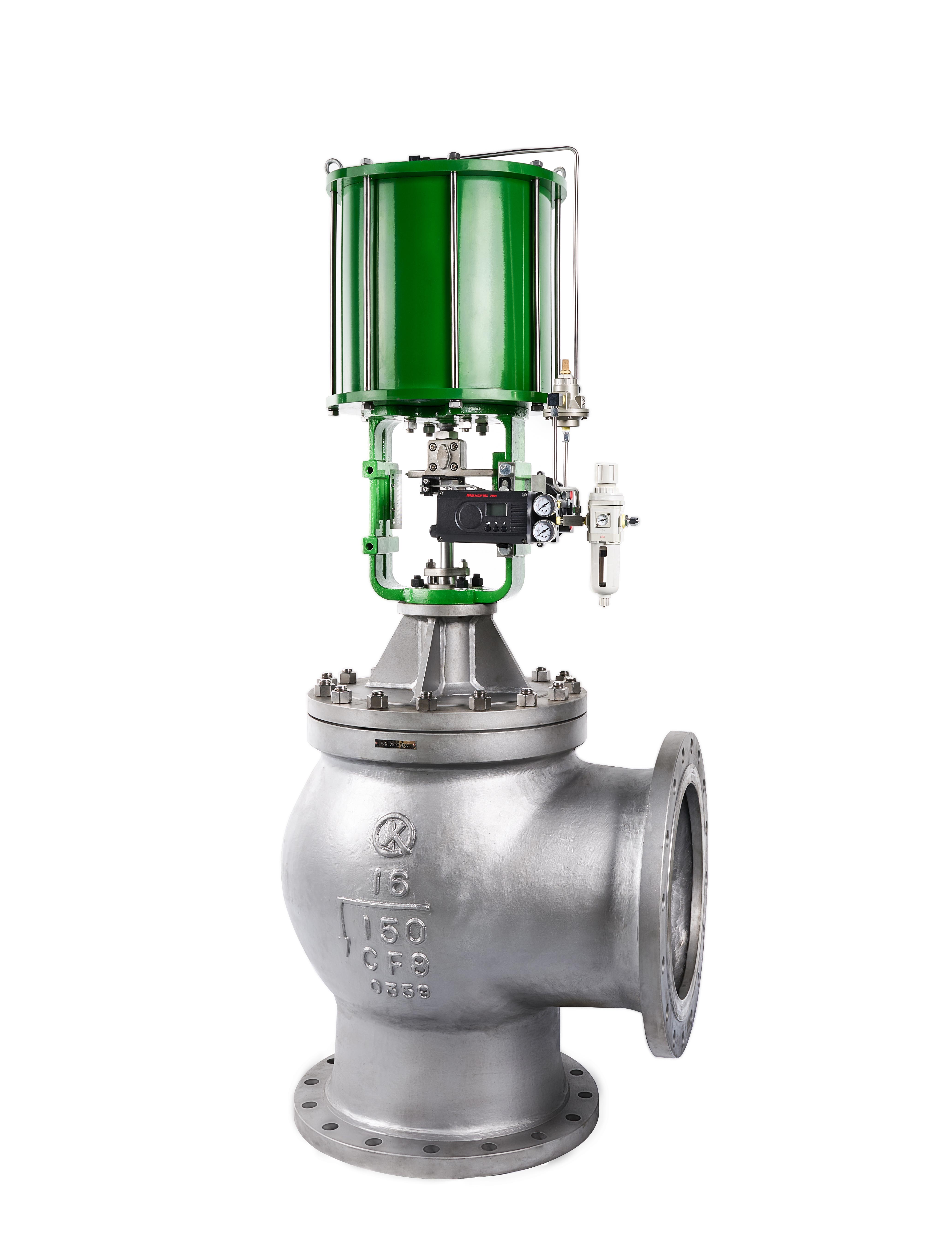
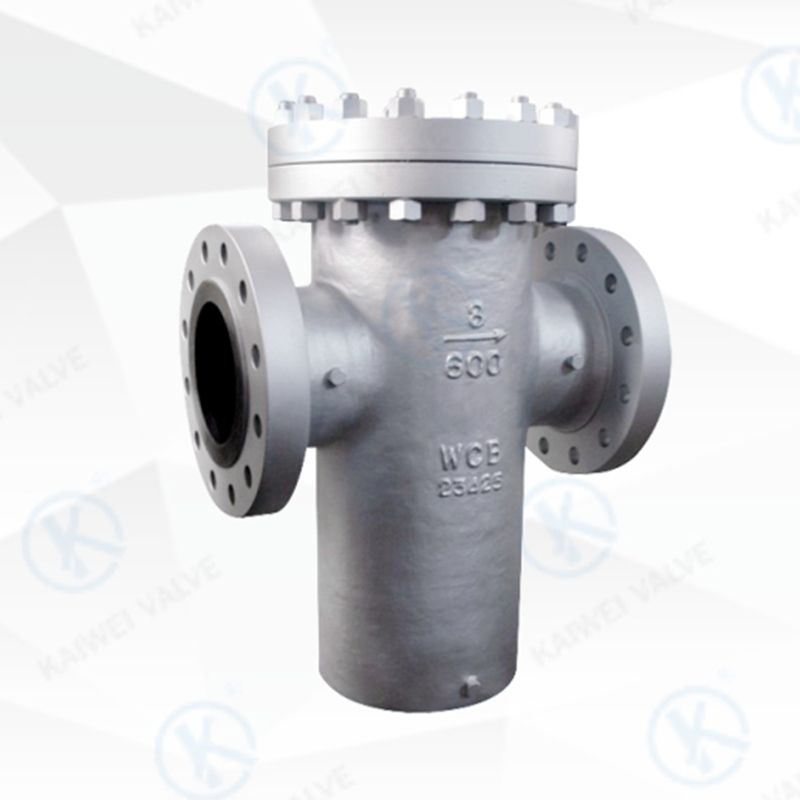
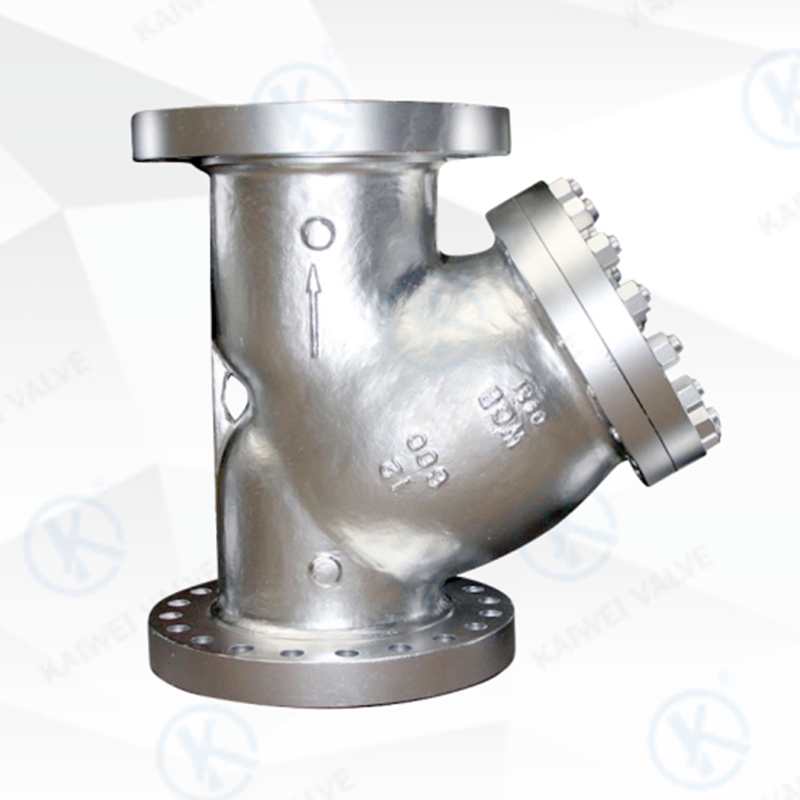
A cast iron valve is a flow-control valve with a cast iron or cast-iron-based body used to start, stop, or regulate fluid flow in piping systems. It is commonly considered for water, wastewater, utility, HVAC, and general industrial services where the operating pressure, temperature, fluid chemistry, and corrosion conditions are compatible with the material. The valve type itself—such as gate, globe, butterfly, or check—determines how the flow is controlled, while the body material determines part of the valve's mechanical and environmental suitability.
Key Takeaways
- A cast iron valve uses a cast iron body to contain the pressure and support the internal components.
- Cast iron is commonly associated with water, wastewater, utility, HVAC, and general service applications.
- “Cast iron valve” describes the material, not one specific valve design.
- Gate, butterfly, globe, and check valves can have different operating functions even when similar body materials are used.
- Selection should consider pressure class, temperature, fluid, corrosion conditions, valve type, connection, standards, and testing requirements.
- Material compatibility should always be confirmed against the actual service conditions rather than selected from the valve material name alone.
What Is a Cast Iron Valve?
The simplest way to understand a cast iron valve is to separate valve function from valve material.
The valve function determines what the valve does. A gate valve is normally used for isolation, a globe valve is commonly selected for throttling and regulation, a butterfly valve provides compact quarter-turn operation, and a check valve prevents reverse flow.
The material describes what the valve body and, depending on the design, other components are made from.
This distinction matters because two valves can both be described as cast iron valves but have completely different operating characteristics.
For example, a cast iron gate valve and a cast iron butterfly valve may both be used in water piping, but their internal designs, pressure losses, installation requirements, operating mechanisms, and maintenance considerations are different.
For a broader explanation of valve functions, see Kaiwei Valve's guide to the main types of industrial valves.
How Does a Cast Iron Valve Work?
The operating principle depends on the valve design.
A valve body forms the main pressure boundary and provides the connection between sections of piping. Inside the body, a closure element moves relative to the flow passage.
| Valve Type | Closure Element | Typical Motion | Common Function |
|---|---|---|---|
| Gate valve | Gate | Linear | Isolation |
| Globe valve | Disc/plug | Linear | Flow regulation |
| Butterfly valve | Disc | Quarter-turn | Isolation and control |
| Check valve | Disc, flap, or other closure | Flow-actuated | Prevent reverse flow |
When the valve is open, the closure element allows the fluid to pass through the flow path. When it closes, the element moves against or across the seating area to restrict or stop flow.
The body material is therefore only one part of the engineering decision. Seat material, stem material, trim, gasket, bonnet construction, pressure rating, and end connection can also affect service performance.
What Are the Common Types of Cast Iron Valves?
Cast Iron Gate Valves
Gate valves are generally selected when the main requirement is reliable on/off isolation. When fully open, the gate is removed from most of the flow passage, which can help minimize flow resistance.
They are not normally intended for continuous throttling because prolonged operation in a partially open position can increase wear and erosion.
Cast Iron Butterfly Valves
Butterfly valves use a rotating disc and are often attractive where installation space, weight, and operating speed matter.
Kaiwei's industrial butterfly valve range includes wafer, concentric, and triple-offset designs. The appropriate configuration depends on pipe size, pressure, temperature, media, sealing requirements, and operating method.
Cast Iron Globe Valves
Globe valves use a linear-moving closure element to change the available flow area. This makes the design suitable for applications requiring more controlled flow regulation.
Kaiwei's industrial globe valves are available in different configurations for flow regulation and shutoff. However, high-pressure or high-temperature process services may require materials other than cast iron, depending on the operating conditions.
Cast Iron Check Valves
Check valves allow flow in the intended direction and close when flow reverses. They are commonly used to help protect pumps, pipelines, and process equipment from reverse flow.
The American Water Works Association's current AWWA C508-25 covers iron-body swing-check valves from 2 to 48 inches for waterworks service. Its scope includes source water, potable water, wastewater, and reclaimed water systems operating within specified pH and temperature ranges.
This illustrates an important point: material selection should always be connected to a defined service condition and applicable standard.
Advantages of Cast Iron Valves
Cast iron has been widely used in piping equipment because it offers a combination of mechanical strength, castability, and practical manufacturing characteristics.
Depending on the specific grade and design, potential advantages include:
Good Suitability for Utility Services
Cast iron valves have traditionally been used in water distribution, wastewater, HVAC, and other utility systems where the operating conditions are compatible with the material.
Practical Manufacturing
Casting allows manufacturers to produce complex valve body geometries efficiently, which is useful for a wide range of valve designs and sizes.
Cost Considerations
For appropriate low- to moderate-demand applications, cast iron can provide a practical material option compared with more expensive alloy or stainless-steel constructions.
Availability in Multiple Valve Designs
The material can be used across different valve configurations, meaning engineers can select the operating design separately from the body material.
What Are the Limitations of Cast Iron Valves?
Cast iron is not automatically suitable for every industrial application.
One important consideration is brittleness. Compared with ductile iron or many steel alloys, traditional cast iron can be less tolerant of impact and certain mechanical stresses.
Corrosion resistance is another consideration. The suitability of a cast iron valve depends on the fluid chemistry, coating or lining, temperature, and exposure conditions.
High-pressure, high-temperature, highly corrosive, cryogenic, or severe-service applications may require alternative materials such as carbon steel, stainless steel, alloy steel, duplex stainless steel, or specialized alloys.
For this reason, engineers should not select a valve simply because the application is described as “industrial.” The actual service conditions need to be reviewed.
Cast Iron vs. Other Valve Materials
| Material | Typical Strengths | Common Considerations | Example Applications |
|---|---|---|---|
| Cast Iron | Practical casting, utility service | Brittleness, corrosion conditions | Water, HVAC, general utility |
| Ductile Iron | Higher toughness than traditional cast iron | Material grade and coating matter | Water distribution, utilities |
| Carbon Steel | Higher strength and pressure capability | Corrosion protection may be required | Oil & gas, process piping |
| Stainless Steel | Corrosion resistance | Higher material cost | Chemical, food, corrosive services |
| Alloy Steel | High-temperature and demanding service capability | Material and fabrication cost | Power, petrochemical, severe service |
These categories are general engineering starting points, not substitutes for a project-specific material specification.
How to Select a Cast Iron Valve
Before ordering a cast iron valve, confirm at least these parameters:
1. Fluid: What is flowing through the valve—water, wastewater, air, oil, chemicals, or another medium?
2. Pressure: Confirm normal and maximum operating pressure and the required pressure class.
3. Temperature: Check both normal and maximum/minimum operating temperatures.
4. Valve function: Determine whether the valve needs to isolate, regulate, prevent backflow, or perform another function.
5. Size: Confirm nominal pipe size and required flow capacity.
6. End connection: Check whether the system requires flanged, threaded, wafer, lug, or another connection.
7. Material compatibility: Verify body, seat, stem, trim, gasket, and coating materials against the actual medium.
8. Standards and testing: Confirm the required design, dimensional, pressure-testing, material, and inspection standards.
Kaiwei's industrial valve FAQ explains the information typically required for valve customization, including pressure rating, material, size, connection type, actuator, coating, and project requirements.
When Should You Consider a Cast Iron Valve?
A cast iron valve can be considered when the application involves compatible fluids and operating conditions, particularly in utility-oriented systems such as water, wastewater, HVAC, and general industrial services.
It becomes less straightforward when the system involves high pressure, high temperature, aggressive chemicals, impact loading, cryogenic conditions, or other severe-service requirements.
In these cases, the engineer should compare cast iron with ductile iron, carbon steel, stainless steel, or alloy materials rather than treating cast iron as a universal solution.
The same principle applies when selecting the valve type. For example, a ball valve versus gate valve comparison should focus on operating function, cycling frequency, pressure drop, sealing requirements, and application conditions rather than material alone.
Why Choose KAIWEI VALVE for Industrial Valve Solutions?
KAIWEI VALVE provides industrial valve solutions for oil & gas, petrochemical, chemical processing, power generation, water treatment, and other industrial applications.
The company manufactures ball valves, butterfly valves, gate valves, globe valves, check valves, and customized valve solutions. Its engineering approach considers application conditions, material selection, pressure rating, connection type, actuation, testing, and applicable standards.
For projects where material selection is critical, buyers can provide the medium, pipe size, pressure, temperature, connection, operating frequency, and applicable project standards so the valve configuration can be evaluated against the actual service requirements.
If you are evaluating a cast iron valve or comparing material options for an industrial piping project, contact KAIWEI VALVE with your valve specification and operating conditions for an engineering-based recommendation.
Frequently Asked Questions
Is cast iron good for valves?
Cast iron can be suitable for water, wastewater, HVAC, and general utility applications when the pressure, temperature, fluid chemistry, and mechanical conditions are compatible with the selected material and valve design.
What is the difference between cast iron and ductile iron valves?
Ductile iron generally provides greater toughness and resistance to mechanical impact than traditional cast iron, while the appropriate choice depends on the material grade, service conditions, standards, and design requirements.
Can cast iron valves be used for water?
Yes. Cast iron or iron-body valves are used in water-related services, but the specific valve material, lining, pressure rating, temperature range, and applicable water-service standard must be confirmed.
Are cast iron valves suitable for high pressure?
Not necessarily. High-pressure applications require evaluation of the material grade, valve design, pressure-temperature rating, applicable standards, and test requirements. Steel or alloy constructions may be more appropriate for some demanding services.
What information should I provide when buying a cast iron valve?
Provide the valve function, nominal size, fluid, operating pressure, temperature, connection type, installation conditions, material requirements, actuation method, applicable standards, and any project-specific inspection or documentation requirements.