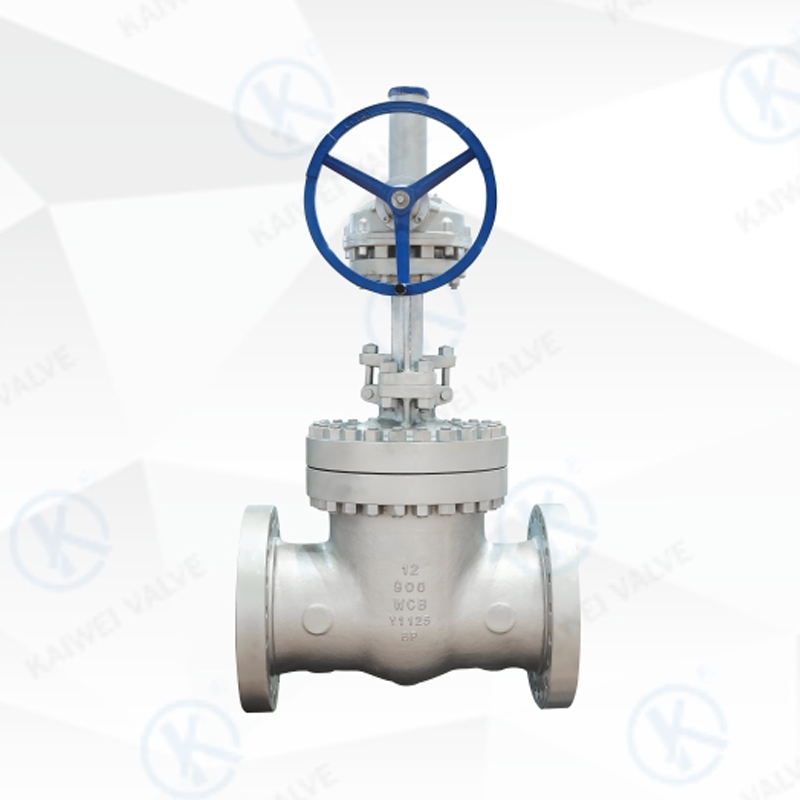
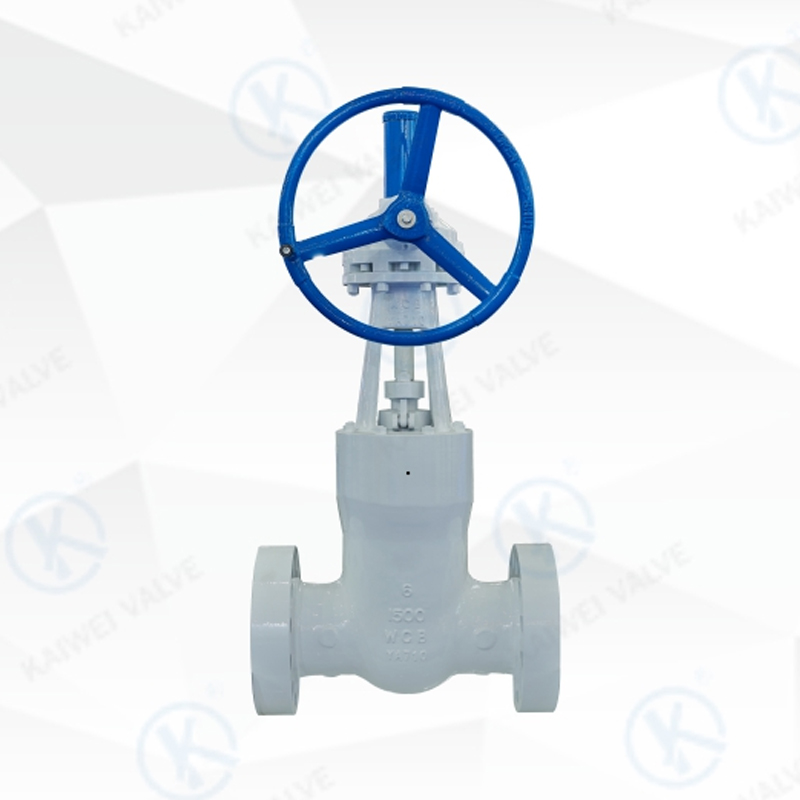
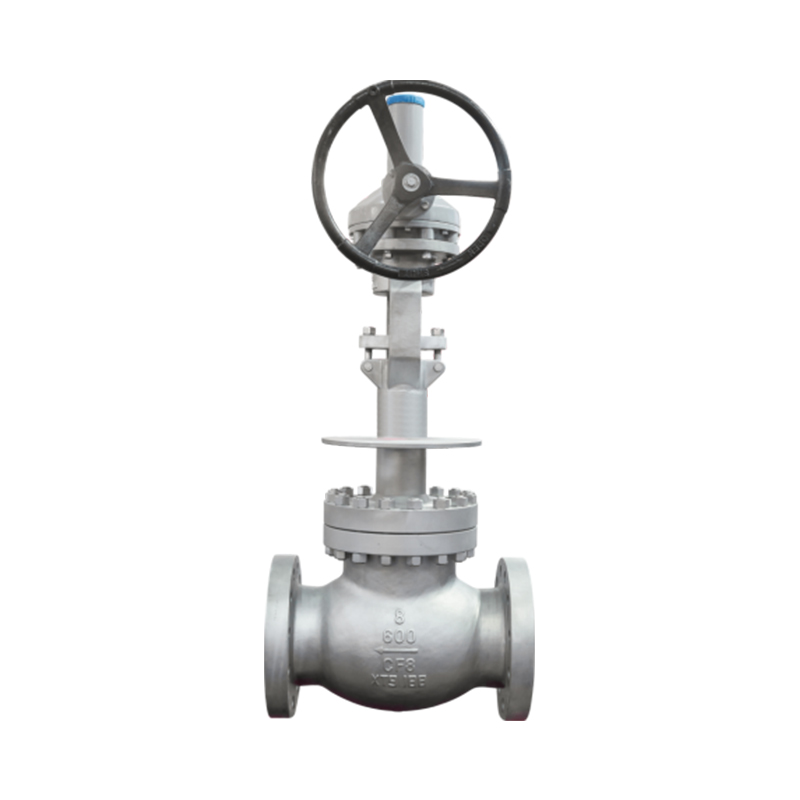
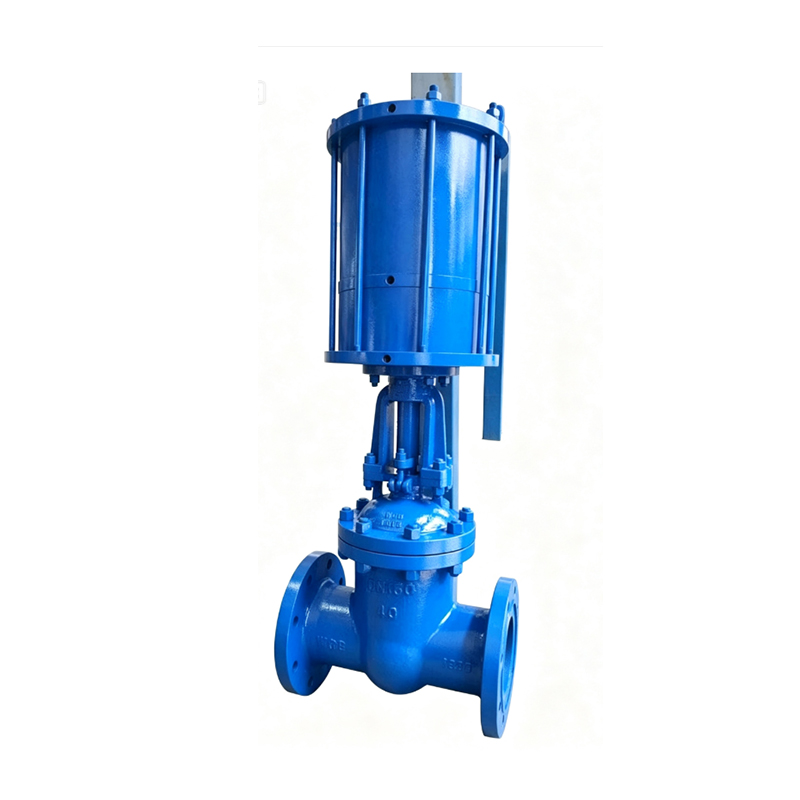
Gate Valve
Home >> Products >> Gate Valve >> Expanded Gate Valve
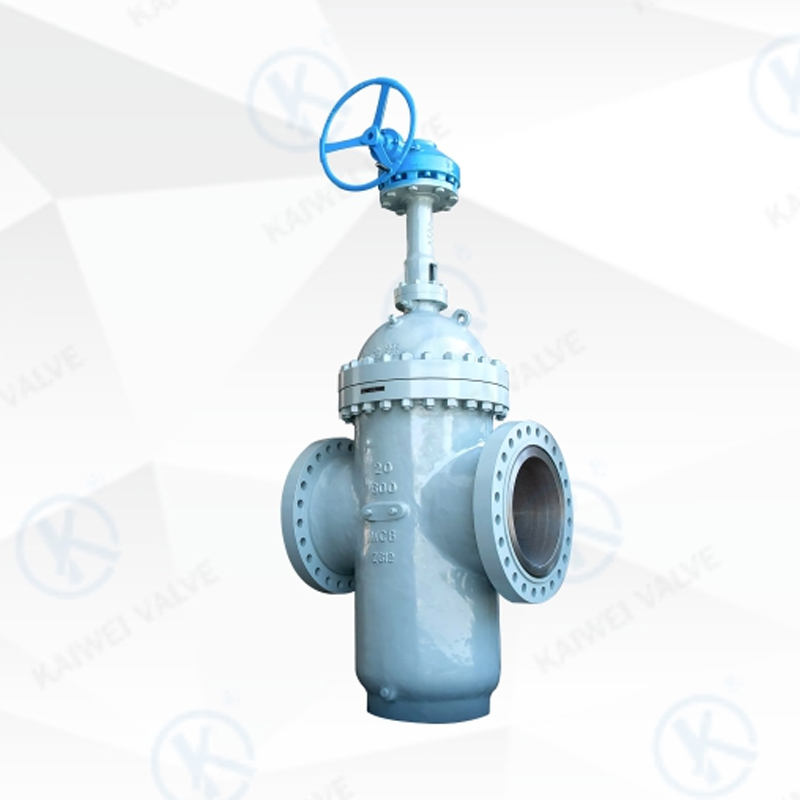
Designed for critical isolation in high-pressure pipeline and process systems, the Expanded Gate Valve provides dependable shut-off while maintaining a secure seal even under demanding operating conditions. Its expanding gate mechanism uses mechanical expansion between the gate and seats to establish firm metal-to-metal contact, providing effective isolation in both flow directions. The design is particularly advantageous for applications requiring cavity relief, reduced seat wear, and reliable sealing over extended service periods.
The Expanded Gate Valve is well suited for oil & gas, natural gas transmission, petrochemical, refinery, chemical processing, and other critical pipeline applications. Its full-bore flow passage, bidirectional sealing capability, and mechanically energized seating system make it an effective solution for pipeline isolation, pigging systems, and services where reliable line separation is essential.
|
Product description: |
Expanded Gate Valve |
|
Model: |
544WF/Y-Expanded Gate Valve |
|
Nominal diameter: |
NPS 2”~30” |
|
Operating temperature: |
-196℃~593℃(the range of service temperature may vary for different materials) |
|
Nominal pressure: |
CLASS 150~2500 |
|
Material: |
Main material: A216 WCB、WCC; A217 WC6、WC9、C5、C12、C12A、CA15; A351 CF8、CF8M、CF3、CF3M、CF8C、CN3MN、CK3MCUN、CN7M; A352 LCB、LCC; A494 CW-6MC、CU5MCuC、M35-1; A890 4A(CD3MN)、5A(CE3MN)、6A(CD3MWCuN); ASME B 148 C95800、C95500, etc. |
|
Design standard: |
API 600、ASME B16.34、GB/T 12234、GB/T 12224 |
|
Structural length: |
ASME B16.10、GB/T 12221 |
|
Connecting end: |
ASME B16.5、ASME B16.47、ASME B16.25、GB/T 9113、GB/T 12224 |
|
Test standard: |
API 598、ISO 5208、GB/T 26480、GB/T 13927 |
|
Operation method: |
non-elevating hand wheel, bevel gear, motor drive unit, pneumatic drive unit |
|
Application fields: |
For application in fields such as electric power industry, tap water engineering in urban construction, chemical engineering, etc. |
Heavy-duty isolation valve providing full-bore flow with minimal pressure loss.
Expanding Gate Mechanism
Mechanical expansion forces the gate segments against the seats, creating firm contact and dependable isolation.
Bidirectional Sealing
The expanding gate arrangement provides effective shut-off from both upstream and downstream directions.
Full-Bore Passage
When fully open, the gate retracts from the flow path to provide a substantially unobstructed passage with minimal pressure loss.
Positive Mechanical Sealing
Seat contact is generated mechanically rather than relying solely on line pressure, supporting consistent sealing performance.
Cavity Pressure Management
The design can provide effective control of pressure trapped within the valve body cavity, depending on the specific configuration.
Suitable for Pigging Operations
Full-port construction allows pipeline pigs and inspection tools to pass through the valve in suitable pipeline applications.
Reduced Seat Wear
The gate and seats can be designed to minimize unnecessary rubbing during opening and closing, helping preserve sealing surfaces.
Robust Pipeline Isolation
Strong pressure-containing components are suited to demanding transmission and process pipeline services.
Low Flow Resistance
The unobstructed bore supports efficient transport of liquids and gases with limited pressure drop.
Wide Application Range
Suitable for natural gas transmission, oil pipelines, gathering systems, refineries, petrochemical plants, and other critical isolation services

Chemical Industry
Ball valves, butterfly valves, gate valves, globe valves, check valves, and control valves ensure safe fluid isolation, precise process control, and reliable operation in demanding chemical processing applications.

Oil Industry
Engineered for reliable isolation, flow regulation, and backflow prevention, our valve solutions support upstream, midstream, and downstream oil production and refining operations.

Natural Gas
Providing leak-tight sealing, dependable flow control, and safe pipeline operation for natural gas transmission, storage, LNG, and distribution systems.

Metallurgy
Built to withstand high temperatures, abrasive media, and harsh operating conditions in steelmaking, smelting, and metallurgical processing.

Power Generation
Ensuring reliable isolation, accurate flow control, and long-term performance in steam, boiler, turbine, and power plant systems.

Pharmaceutical
Delivering hygienic, precise, and contamination-free flow control for pharmaceutical manufacturing and clean process applications.

Steel Industry
Designed for high-temperature, high-pressure, and severe-service conditions in iron making, steelmaking, rolling mills, and auxiliary process systems.

New Energy
Supporting hydrogen, LNG, carbon capture, battery materials, and renewable energy projects with advanced valve solutions for safe and efficient process control.
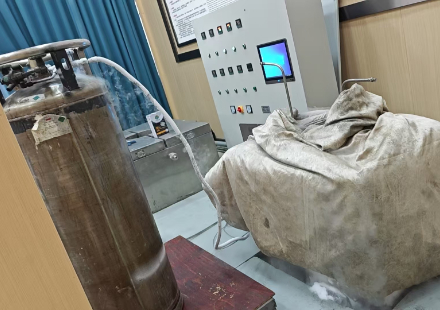
-196°C Cryogenic Liquid Nitrogen Test System
Simulates ultra-low-temperature operating conditions to verify valve sealing performance and reliability for cryogenic applications.
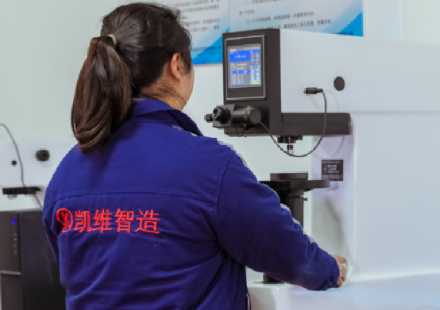
Brinell, Rockwell & Vickers Hardness Tester
Ensures material hardness meets international standards for strength, durability, and long-term performance.
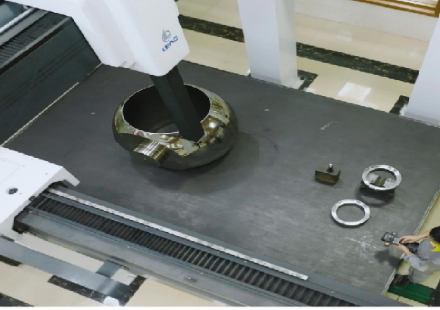
Large-Scale Coordinate Measuring Machine (CMM)
Provides high-precision dimensional inspection to ensure machining accuracy and product consistency.
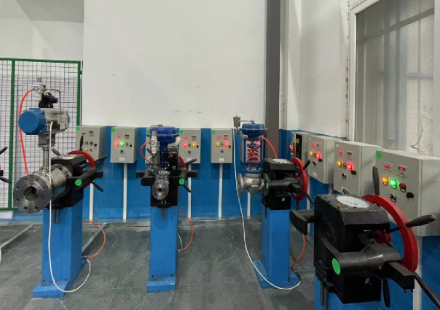
Valve Life Cycle Testing System
Evaluates valve durability and operational reliability through repeated opening and closing cycle tests.
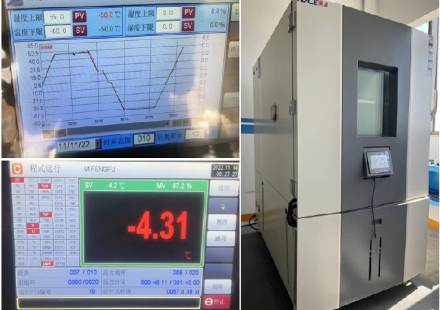
High & Low Temperature Test Chamber
Verifies valve performance and stability under extreme temperature conditions.
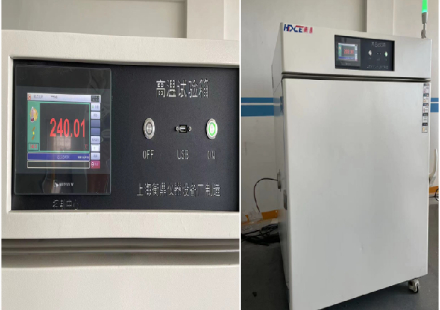
High Temperature Aging Test Chamber
Assesses long-term material stability and product reliability under continuous high-temperature exposure.
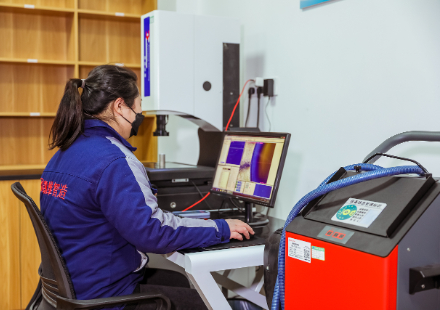
Desktop SPECTRO Optical Emission Spectrometer (Germany)
Performs rapid and accurate material composition analysis to ensure full material traceability and compliance.
Our engineering team evaluates these factors to ensure long-term reliability and regulatory compliance.

ISO9001:2015

ISO9001:2015

Environmental Management System Certification

Occupational Health & Safety Management System Certification

Certificate of Quality System Approval

ScheduleTo Certificate No HPiVS-iP1001-062-Q-10-00

CEPTUфNKAT COOTBETCTBNа

EAC

Certificate of Authority to use the Official APl Monogram

Certificate of Authority to use the Official APl Monogram

Certificate of Authority to use the Official APl Monogram

Certificate of Authority to use the Official APl Monogram

Certificate of Authority to use the Official APl Monogram

ISO 15848-1 QUALIFICATION CERTIFICATE

Test Report
Gate valves provide full open or full close isolation with minimal pressure loss, making them ideal for pipelines requiring unrestricted flow.
Gate valves are designed for isolation rather than flow regulation. Operating them partially open may cause vibration, erosion, and premature seat damage.
Wedge gate valves are commonly used for general isolation, while expanding gate valves provide mechanical sealing and bidirectional zero leakage for critical pipeline services.
Q What bonnet types are available?
Gate valves are available with bolted bonnet, pressure-seal bonnet, and welded bonnet designs depending on operating pressure and temperature.
Q What materials are commonly used?
Common materials include carbon steel, stainless steel, alloy steel, duplex stainless steel, and other special alloys for severe-service conditions.
Q Which industries commonly use gate valves?
Gate valves are widely used in oil & gas, petrochemical, power generation, pipeline transmission, water treatment, and mining.
Hangzhou Kaiwei Valve Group Co, Ltd, established in 2015, is a cutting-edgeindustrial enterprise that specializes in the R&D, design, casting, production,and sales of fluid control products and services
Contact Us
Downloads

Engineering Support