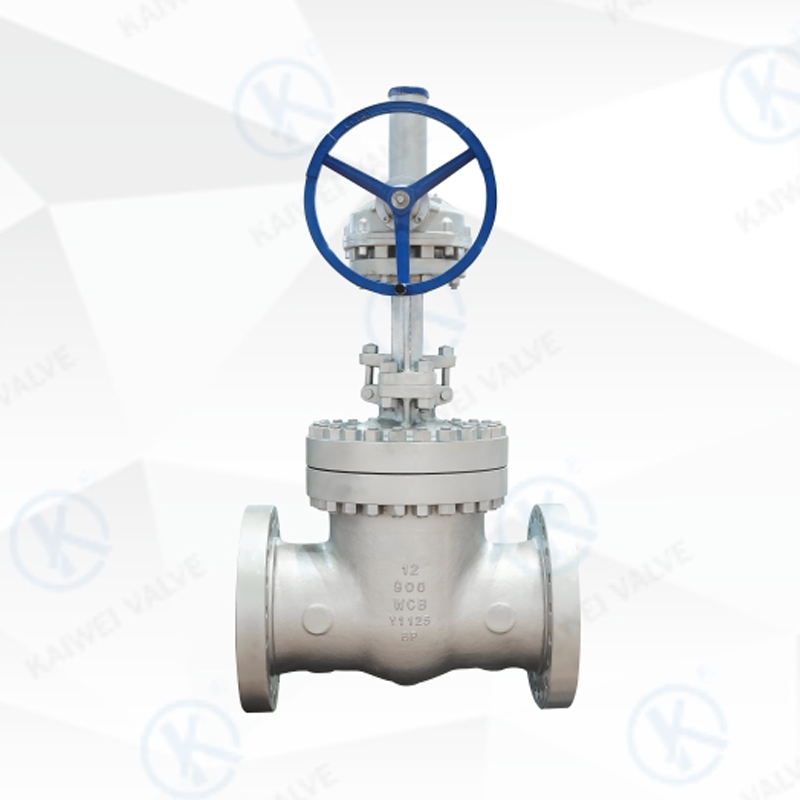
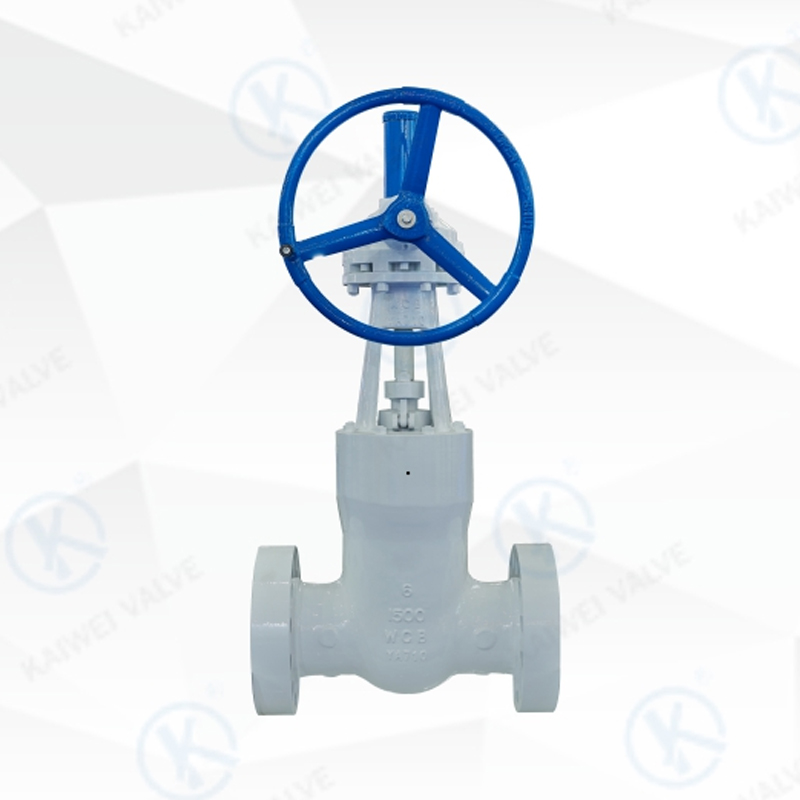
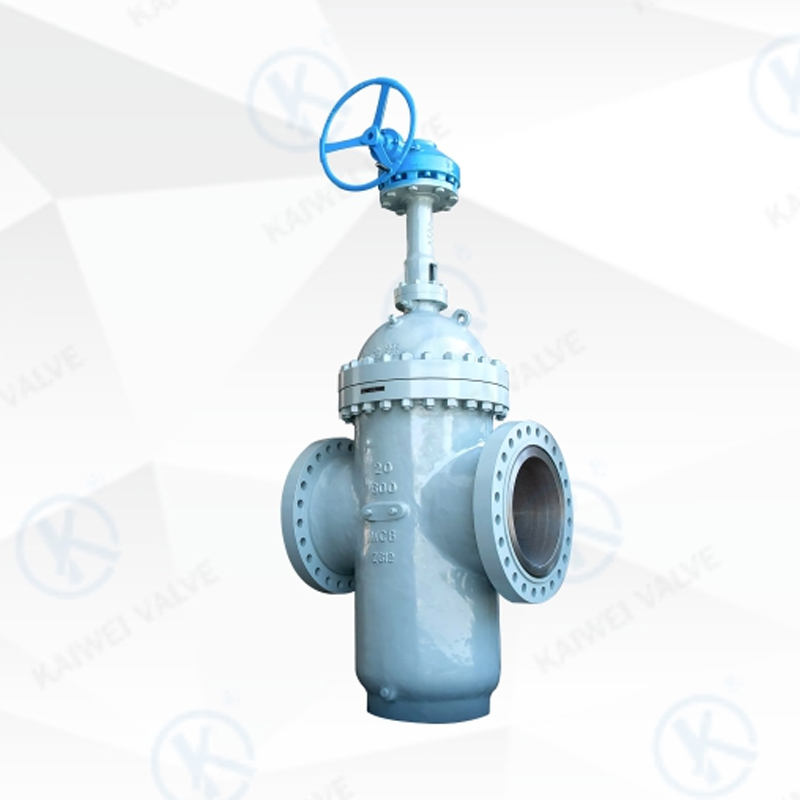
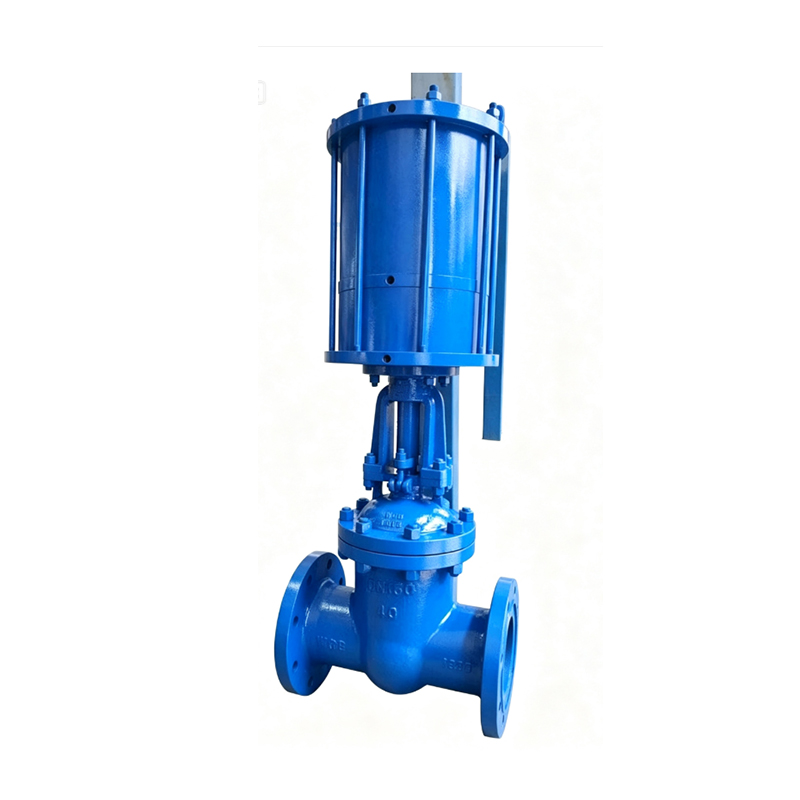
Gate Valve
Home >> Products >> Gate Valve >> Cryogenic Gate Valve
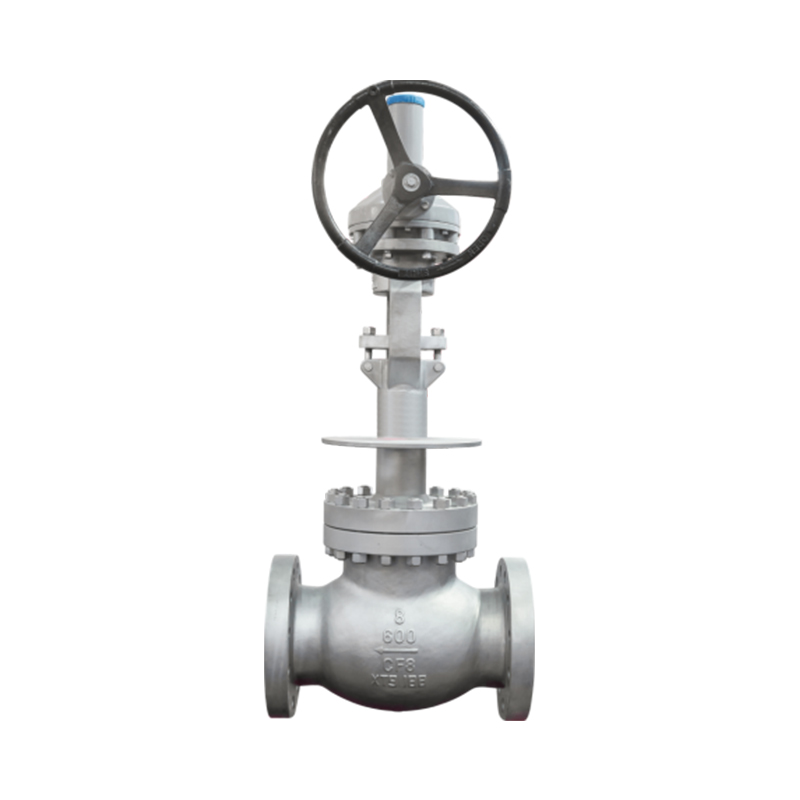
Engineered for extremely low-temperature service, the Cryogenic Gate Valve provides dependable isolation for pipelines and equipment handling liquefied gases and other cryogenic media. Its specialized construction is designed to maintain sealing integrity and mechanical reliability under severe temperature conditions.
The valve incorporates an extended bonnet arrangement that positions the stem packing away from the extremely cold fluid, helping protect the sealing system from excessive thermal exposure. Carefully selected materials and low-temperature sealing components allow the valve to accommodate thermal contraction while maintaining reliable operation and shut-off performance.
The Cryogenic Gate Valve is widely applied in LNG, LPG, liquid oxygen, liquid nitrogen, liquid hydrogen, air separation, cryogenic storage, natural gas processing, and other low-temperature systems where safe and reliable fluid isolation is critical.
|
Item |
Specification |
|
Product Type |
Cryogenic Gate Valve |
|
Valve Type |
Gate Valve |
|
Design |
Wedge Gate / Parallel Slide Gate* |
|
Size Range |
DN15 – DN600 (1/2" – 24")* |
|
Pressure Rating |
Class 150 – Class 1500* |
|
Body Material |
Stainless Steel / Low-Temperature Stainless Steel* |
|
Bonnet Material |
Stainless Steel |
|
Gate Material |
Stainless Steel / Low-Temperature Alloy* |
|
Stem Material |
Stainless Steel |
|
Seat Material |
Metal Seat / Low-Temperature Sealing Material* |
|
Bonnet Type |
Extended Bonnet |
|
Stem Arrangement |
Rising Stem, Outside Screw & Yoke |
|
End Connection |
Flanged / Butt Weld |
|
Flange Standard |
ASME B16.5 / ASME B16.47* |
|
Face-to-Face |
ASME B16.10 |
|
Design Standard |
API 600 / API 603 / ASME B16.34* |
|
Testing Standard |
API 598 / ISO 5208 |
|
Low-Temperature Range |
Down to -196°C* |
|
Operation |
Handwheel / Gear Operator / Pneumatic / Electric |
|
Applicable Media |
LNG, LPG, LOX, LIN, LAr, liquid hydrogen, cryogenic hydrocarbons and other low-temperature fluids |
*Exact specifications can be customized according to project requirements.
Extended Bonnet Design
The extended bonnet creates a thermal barrier between the cryogenic fluid and the stem packing area, helping maintain sealing performance and preventing excessive cooling of the packing system.
Cryogenic Material Selection
Valve materials are carefully selected for resistance to embrittlement and loss of mechanical properties at extremely low temperatures.
Reliable Low-Temperature Sealing
Specialized packing and seat materials are designed to accommodate thermal contraction and provide dependable sealing during cryogenic operation.
Low Fugitive Emission Risk
The optimized stem sealing arrangement helps minimize external leakage, supporting safer operation when handling hazardous or liquefied gases.
Full-Bore Flow Path
The gate design provides a substantially unobstructed passage when fully open, reducing flow resistance and allowing efficient pipeline operation.
Thermal-Contraction Compensation
The valve structure is engineered to accommodate dimensional changes caused by temperature variations, helping maintain consistent sealing and operational performance.
Durable Stem & Bonnet Assembly
A robust stem and extended bonnet arrangement provides reliable mechanical operation while protecting critical sealing components from extreme temperatures.
Safe Isolation of Cryogenic Media
The valve is designed for dependable on/off isolation in systems where accidental leakage or loss of containment can present significant operational risks.
Flexible Actuation
Manual handwheel, gearbox, pneumatic actuator, and electric actuator configurations can be provided according to valve size and operating requirements.
Cryogenic Applications
Suitable for LNG terminals, air separation units, cryogenic storage tanks, natural gas processing plants, hydrogen systems, and industrial gas facilities.

Chemical Industry
Ball valves, butterfly valves, gate valves, globe valves, check valves, and control valves ensure safe fluid isolation, precise process control, and reliable operation in demanding chemical processing applications.

Oil Industry
Engineered for reliable isolation, flow regulation, and backflow prevention, our valve solutions support upstream, midstream, and downstream oil production and refining operations.

Natural Gas
Providing leak-tight sealing, dependable flow control, and safe pipeline operation for natural gas transmission, storage, LNG, and distribution systems.

Metallurgy
Built to withstand high temperatures, abrasive media, and harsh operating conditions in steelmaking, smelting, and metallurgical processing.

Power Generation
Ensuring reliable isolation, accurate flow control, and long-term performance in steam, boiler, turbine, and power plant systems.

Pharmaceutical
Delivering hygienic, precise, and contamination-free flow control for pharmaceutical manufacturing and clean process applications.

Steel Industry
Designed for high-temperature, high-pressure, and severe-service conditions in iron making, steelmaking, rolling mills, and auxiliary process systems.

New Energy
Supporting hydrogen, LNG, carbon capture, battery materials, and renewable energy projects with advanced valve solutions for safe and efficient process control.
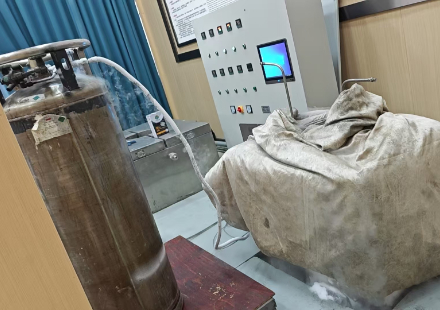
-196°C Cryogenic Liquid Nitrogen Test System
Simulates ultra-low-temperature operating conditions to verify valve sealing performance and reliability for cryogenic applications.
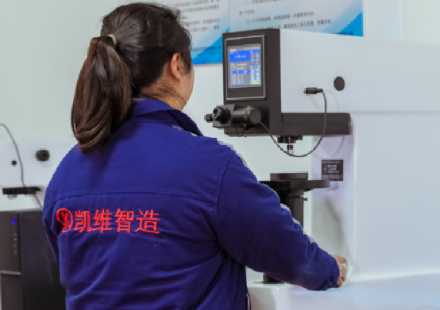
Brinell, Rockwell & Vickers Hardness Tester
Ensures material hardness meets international standards for strength, durability, and long-term performance.
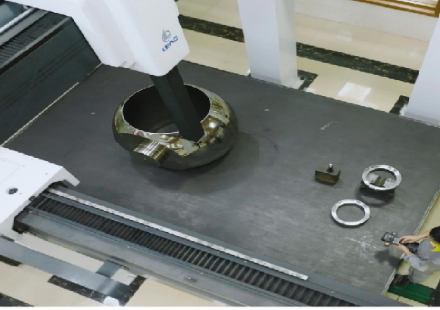
Large-Scale Coordinate Measuring Machine (CMM)
Provides high-precision dimensional inspection to ensure machining accuracy and product consistency.
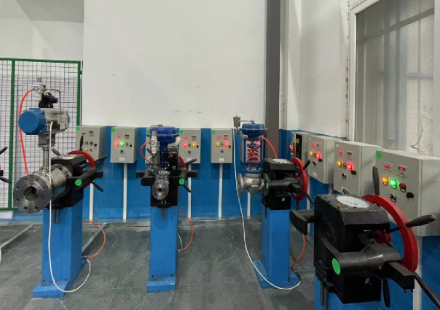
Valve Life Cycle Testing System
Evaluates valve durability and operational reliability through repeated opening and closing cycle tests.
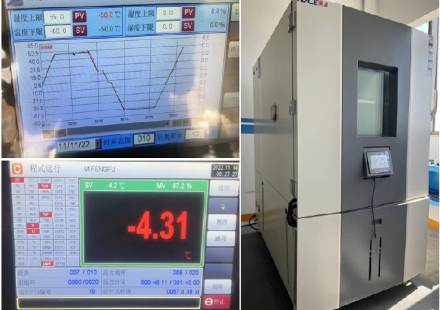
High & Low Temperature Test Chamber
Verifies valve performance and stability under extreme temperature conditions.
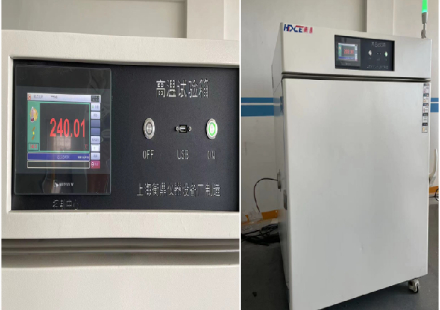
High Temperature Aging Test Chamber
Assesses long-term material stability and product reliability under continuous high-temperature exposure.
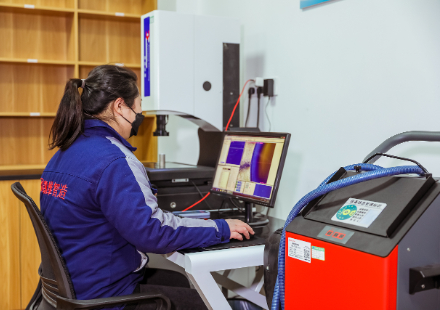
Desktop SPECTRO Optical Emission Spectrometer (Germany)
Performs rapid and accurate material composition analysis to ensure full material traceability and compliance.
Our engineering team evaluates these factors to ensure long-term reliability and regulatory compliance.

ISO9001:2015

ISO9001:2015

Environmental Management System Certification

Occupational Health & Safety Management System Certification

Certificate of Quality System Approval

ScheduleTo Certificate No HPiVS-iP1001-062-Q-10-00

CEPTUфNKAT COOTBETCTBNа

EAC

Certificate of Authority to use the Official APl Monogram

Certificate of Authority to use the Official APl Monogram

Certificate of Authority to use the Official APl Monogram

Certificate of Authority to use the Official APl Monogram

Certificate of Authority to use the Official APl Monogram

ISO 15848-1 QUALIFICATION CERTIFICATE

Test Report
Gate valves provide full open or full close isolation with minimal pressure loss, making them ideal for pipelines requiring unrestricted flow.
Gate valves are designed for isolation rather than flow regulation. Operating them partially open may cause vibration, erosion, and premature seat damage.
Wedge gate valves are commonly used for general isolation, while expanding gate valves provide mechanical sealing and bidirectional zero leakage for critical pipeline services.
Q What bonnet types are available?
Gate valves are available with bolted bonnet, pressure-seal bonnet, and welded bonnet designs depending on operating pressure and temperature.
Q What materials are commonly used?
Common materials include carbon steel, stainless steel, alloy steel, duplex stainless steel, and other special alloys for severe-service conditions.
Q Which industries commonly use gate valves?
Gate valves are widely used in oil & gas, petrochemical, power generation, pipeline transmission, water treatment, and mining.
Hangzhou Kaiwei Valve Group Co, Ltd, established in 2015, is a cutting-edgeindustrial enterprise that specializes in the R&D, design, casting, production,and sales of fluid control products and services
Contact Us
Downloads

Engineering Support