Cryogenic Valve
Home >> Products >> Cryogenic Valve >> Cryogenic Butterfly Valve
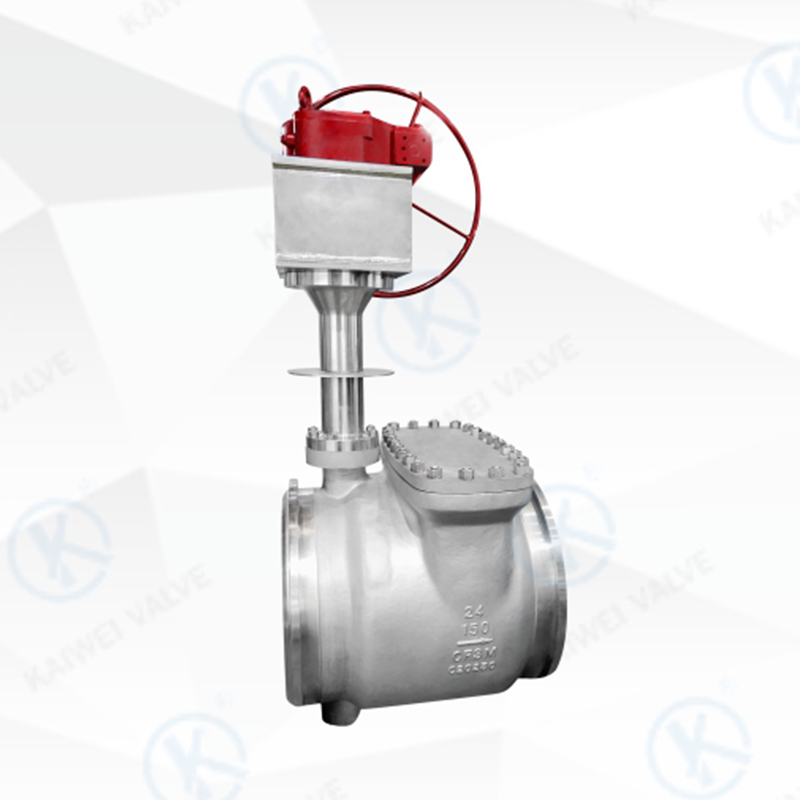
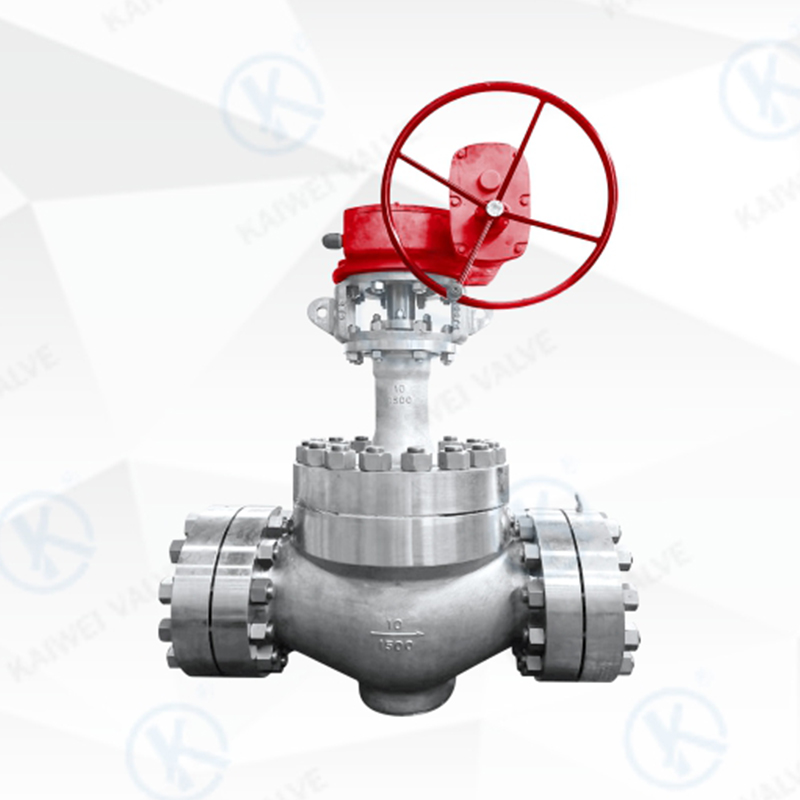
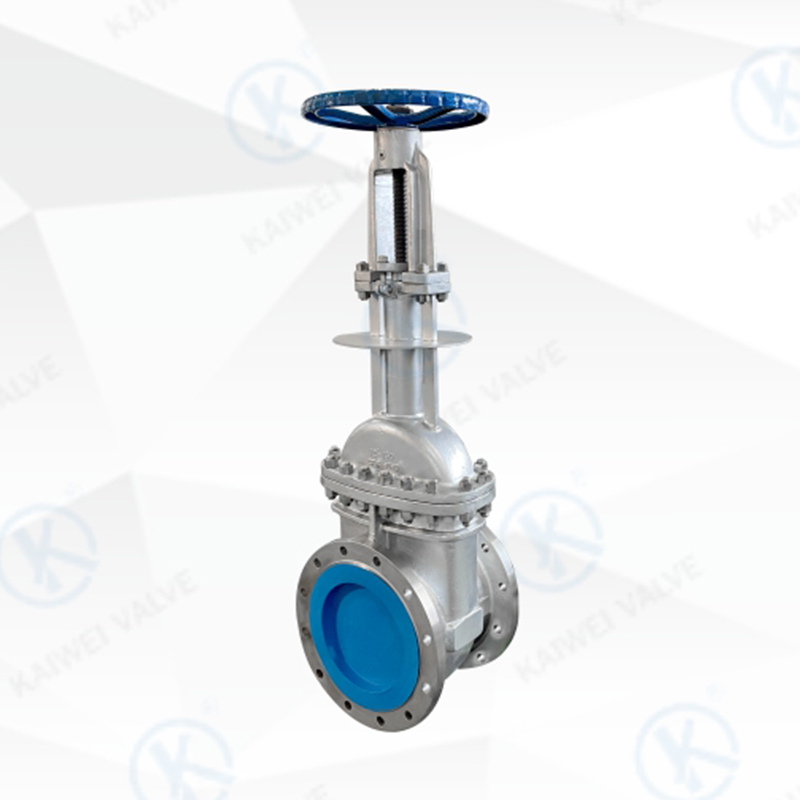
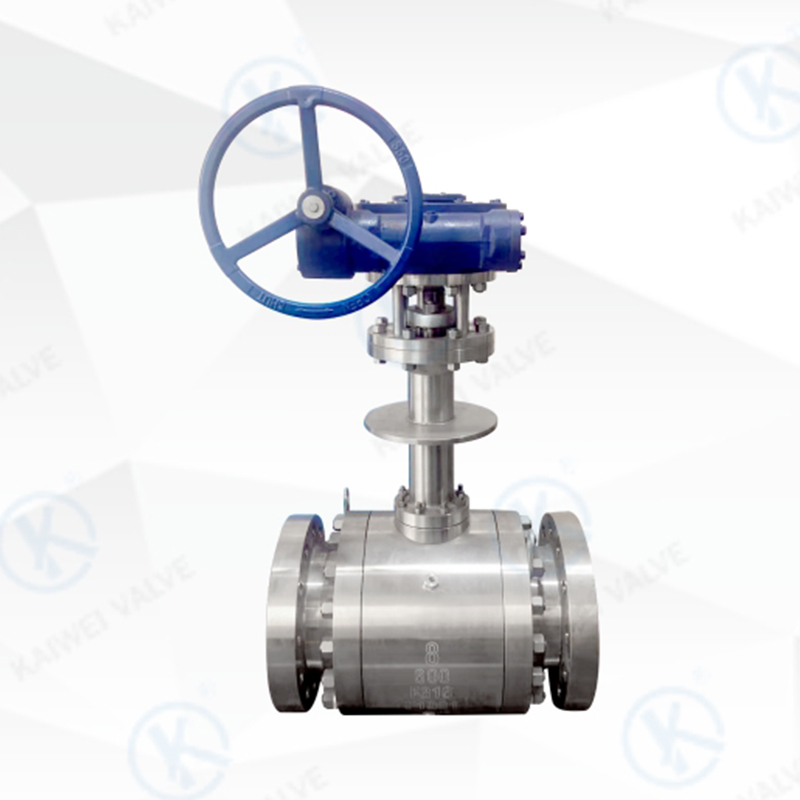
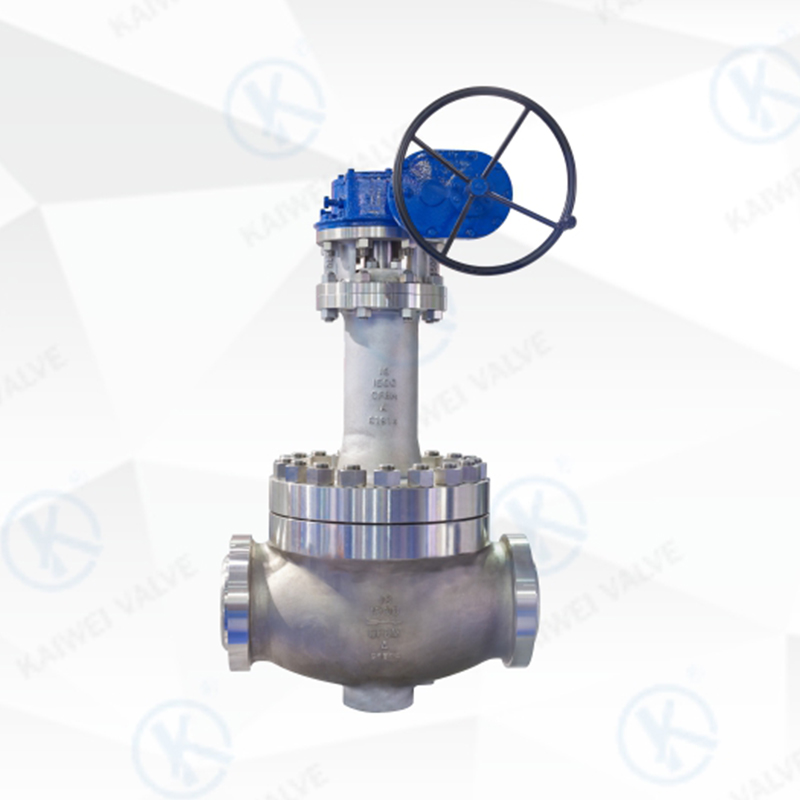
Engineered for low-temperature isolation and flow management, the Cryogenic Butterfly Valve is designed to deliver efficient operation in LNG and other cryogenic services where thermal contraction, material embrittlement, and sealing integrity are critical considerations. Its extended stem arrangement separates the operating mechanism from the cold zone, while cryogenic-compatible materials and sealing components help maintain reliable performance during extreme temperature changes.
The Cryogenic Butterfly Valve is particularly suited for LNG terminals, liquefaction and regasification facilities, cryogenic storage systems, natural gas processing, and industrial gas applications. Its compact construction, quarter-turn operation, and low flow resistance provide an efficient alternative for cryogenic piping systems where installation space, weight, and operating efficiency are important.
|
Product description: |
Cryogenic Butterfly Valve |
|
Model: |
DD343H-Cryogenic Butterfly Valve |
|
Nominal diameter: |
NPS 2”~48” |
|
Nominal diameter: |
-196℃~340℃ |
|
Nominal pressure: |
CLASS 150~900 |
|
Material: |
Main material: A351 CF8、CF8M、CF3、CF3M;A352 LCB、LCC, etc. |
|
Design standard: |
API 609、ASME B16.34、BS 6364 |
|
Structural length: |
ASME B16.10、GB/T 12221、API 609 |
|
Connecting end: |
ASME B16.5、ASME B16.47、ASME B16.25、GB/T 9113 |
|
Test standard: |
API 598、ISO 5208、GB/T 26480、GB/T 13927、BS 6364 |
|
Operation method: |
Handle, worm, motor-drive unit, pneumatic drive unit |
|
Application fields: |
Low temperature industries such as LNG, LPG, LEG, air separation, etc. |
Cryogenic Material Selection
Body, disc, stem, and sealing materials are selected to maintain toughness and functional integrity at very low temperatures.
Extended Stem Design
The extended stem keeps the actuator and packing area away from the cryogenic fluid, helping reduce direct exposure to extreme cold.
Low-Temperature Sealing
Specialized seat and stem sealing arrangements accommodate thermal contraction and help maintain containment during temperature cycling.
Quarter-Turn Operation
90-degree rotation enables rapid isolation and efficient integration with pneumatic or electric actuation systems.
Compact & Lightweight Construction
The butterfly configuration requires less installation space and generally weighs less than many conventional cryogenic isolation valves.
Low Operating Torque
Optimized disc and sealing geometry helps reduce friction and actuator requirements.
Low Flow Resistance
The disc can be positioned to provide an efficient flow path, supporting reduced pressure loss in appropriately sized systems.
Thermal Cycling Capability
The valve design accounts for dimensional changes associated with repeated cooling and warming cycles.
Fire-Safe Configuration Available
Suitable fire-safe designs can be specified for LNG and hydrocarbon applications when required and tested to applicable standards.
LNG & Cryogenic Applications
Suitable for LNG storage and transfer, liquefaction plants, regasification terminals, natural gas processing, and industrial gas systems.

Chemical Industry
Ball valves, butterfly valves, gate valves, globe valves, check valves, and control valves ensure safe fluid isolation, precise process control, and reliable operation in demanding chemical processing applications.

Oil Industry
Engineered for reliable isolation, flow regulation, and backflow prevention, our valve solutions support upstream, midstream, and downstream oil production and refining operations.

Natural Gas
Providing leak-tight sealing, dependable flow control, and safe pipeline operation for natural gas transmission, storage, LNG, and distribution systems.

Metallurgy
Built to withstand high temperatures, abrasive media, and harsh operating conditions in steelmaking, smelting, and metallurgical processing.

Power Generation
Ensuring reliable isolation, accurate flow control, and long-term performance in steam, boiler, turbine, and power plant systems.

Pharmaceutical
Delivering hygienic, precise, and contamination-free flow control for pharmaceutical manufacturing and clean process applications.

Steel Industry
Designed for high-temperature, high-pressure, and severe-service conditions in iron making, steelmaking, rolling mills, and auxiliary process systems.

New Energy
Supporting hydrogen, LNG, carbon capture, battery materials, and renewable energy projects with advanced valve solutions for safe and efficient process control.
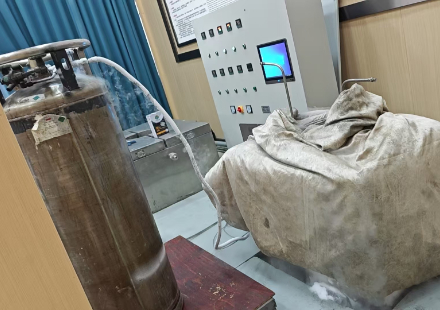
-196°C Cryogenic Liquid Nitrogen Test System
Simulates ultra-low-temperature operating conditions to verify valve sealing performance and reliability for cryogenic applications.
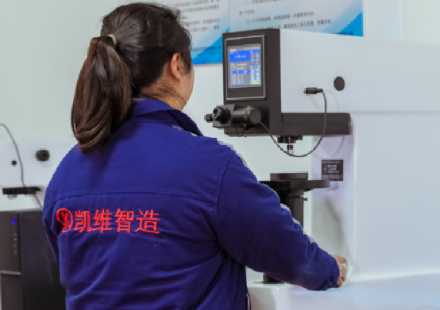
Brinell, Rockwell & Vickers Hardness Tester
Ensures material hardness meets international standards for strength, durability, and long-term performance.
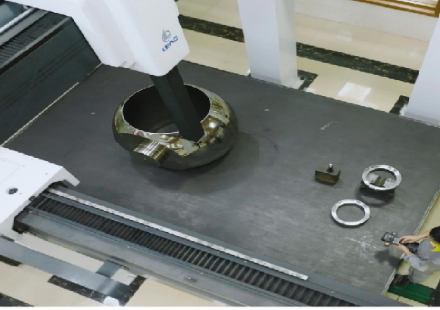
Large-Scale Coordinate Measuring Machine (CMM)
Provides high-precision dimensional inspection to ensure machining accuracy and product consistency.
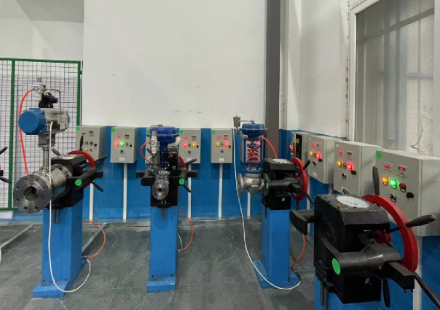
Valve Life Cycle Testing System
Evaluates valve durability and operational reliability through repeated opening and closing cycle tests.
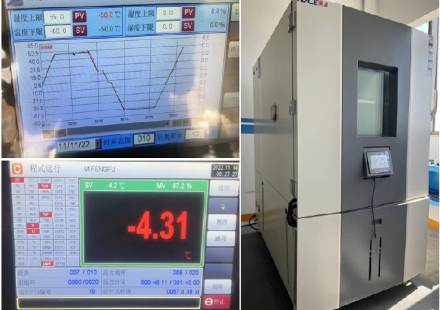
High & Low Temperature Test Chamber
Verifies valve performance and stability under extreme temperature conditions.
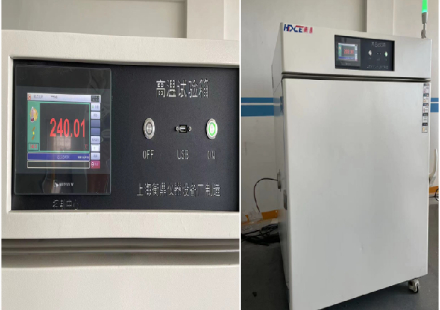
High Temperature Aging Test Chamber
Assesses long-term material stability and product reliability under continuous high-temperature exposure.
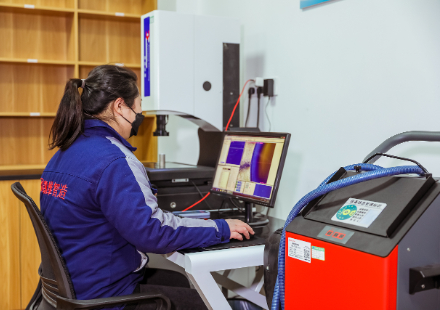
Desktop SPECTRO Optical Emission Spectrometer (Germany)
Performs rapid and accurate material composition analysis to ensure full material traceability and compliance.
Our engineering team evaluates these factors to ensure long-term reliability and regulatory compliance.

ISO9001:2015

ISO9001:2015

Environmental Management System Certification

Occupational Health & Safety Management System Certification

Certificate of Quality System Approval

ScheduleTo Certificate No HPiVS-iP1001-062-Q-10-00

CEPTUфNKAT COOTBETCTBNа

EAC

Certificate of Authority to use the Official APl Monogram

Certificate of Authority to use the Official APl Monogram

Certificate of Authority to use the Official APl Monogram

Certificate of Authority to use the Official APl Monogram

Certificate of Authority to use the Official APl Monogram

ISO 15848-1 QUALIFICATION CERTIFICATE

Test Report
Hangzhou Kaiwei Valve Group Co, Ltd, established in 2015, is a cutting-edgeindustrial enterprise that specializes in the R&D, design, casting, production,and sales of fluid control products and services
Contact Us
Downloads

Engineering Support