Control Valve
Home >> Products >> Control Valve >> Eccentric Butterfly Valve
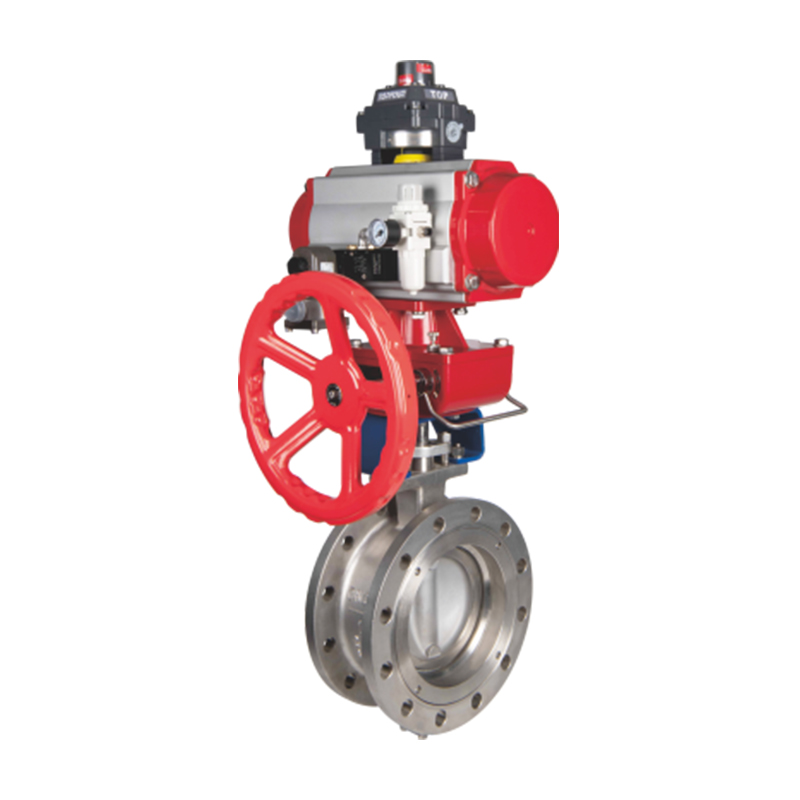
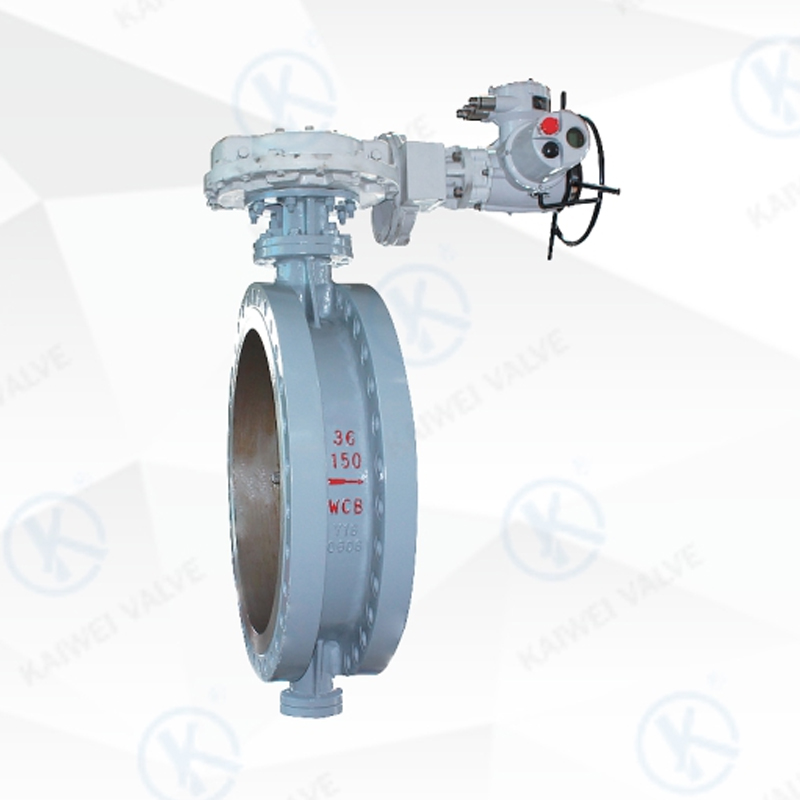
Designed for reliable flow control and isolation in demanding industrial applications, the Eccentric Butterfly Valve features an offset disc and shaft design that minimizes contact between the disc and seat during operation. This eccentric configuration reduces friction and wear, resulting in lower operating torque, improved sealing performance, and extended valve service life.
The Eccentric Butterfly Valve is suitable for a wide range of industrial systems where dependable shut-off, efficient flow control, and low maintenance are essential. Its robust construction and optimized disc geometry provide smooth operation and reliable performance across various pressure, temperature, and media conditions.
The Eccentric Butterfly Valve is widely used in oil & gas, petrochemical, chemical processing, power generation, water treatment, HVAC, mining, and general industrial applications. Depending on the application requirements, the valve can be supplied with manual, pneumatic, or electric actuation systems.
|
Item |
Specification |
|
Product Type |
Eccentric Butterfly Valve |
|
Valve Type |
Butterfly Valve |
|
Design |
Single / Double / Triple Eccentric* |
|
Size Range |
DN50 – DN2000 (2" – 80")* |
|
Pressure Rating |
PN10 – PN40 / Class 150 – Class 300* |
|
Body Material |
Carbon Steel / Stainless Steel / Ductile Iron* |
|
Disc Material |
Stainless Steel / Duplex / Carbon Steel* |
|
Stem Material |
Stainless Steel |
|
Seat Material |
Metal Seat / Soft Seat* |
|
Seat Design |
Replaceable / Integral* |
|
End Connection |
Wafer / Lug / Flanged |
|
Flange Standard |
EN 1092-1 / ASME B16.5 / ASME B16.47* |
|
Face-to-Face |
EN 558 / API 609 |
|
Design Standard |
API 609 / EN 593 |
|
Testing Standard |
API 598 / ISO 5208 / EN 12266-1 |
|
Temperature Range |
-29°C to +500°C* |
|
Operation |
Manual / Pneumatic / Electric / Hydraulic |
|
Applicable Media |
Water, air, gas, oil, steam, chemicals and other industrial fluids |
*Exact specifications can be customized according to project requirements.
Eccentric Disc Design
The offset disc and shaft design minimizes disc-to-seat contact during opening and closing, reducing friction and operating torque.
Reduced Seat Wear
The eccentric configuration significantly reduces rubbing between the disc and seat, helping extend seat service life and maintain reliable sealing performance.
Reliable Tight Shut-Off
Precision-machined sealing surfaces provide dependable isolation and help minimize leakage during operation.
Low Operating Torque
Reduced friction allows the valve to operate with lower torque, making it suitable for both manual operation and automated actuation.
High Flow Capacity
The streamlined disc design provides a relatively unobstructed flow path, helping reduce pressure loss and improve system efficiency.
Robust Construction
Heavy-duty body and disc materials provide excellent mechanical strength and durability for demanding industrial service.
Wide Pressure & Temperature Range
Different material combinations and seat designs can be selected to meet high-pressure, high-temperature, and corrosive service requirements.
Easy Maintenance
Replaceable seat and sealing components, depending on the configuration, simplify maintenance and reduce overall lifecycle costs.
Flexible Actuation
The valve can be equipped with manual gear operators, pneumatic actuators, electric actuators, or hydraulic actuators according to system requirements.
Wide Industrial Applications
Suitable for oil & gas, petrochemical, chemical processing, power generation, water treatment, mining, metallurgy, and industrial pipeline systems.
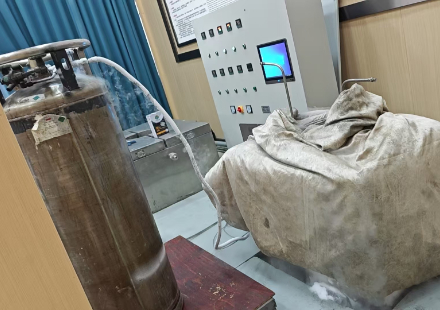
-196°C Cryogenic Liquid Nitrogen Test System
Simulates ultra-low-temperature operating conditions to verify valve sealing performance and reliability for cryogenic applications.
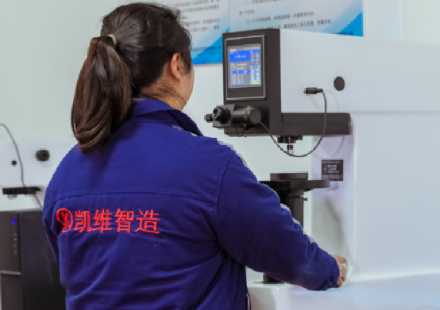
Brinell, Rockwell & Vickers Hardness Tester
Ensures material hardness meets international standards for strength, durability, and long-term performance.
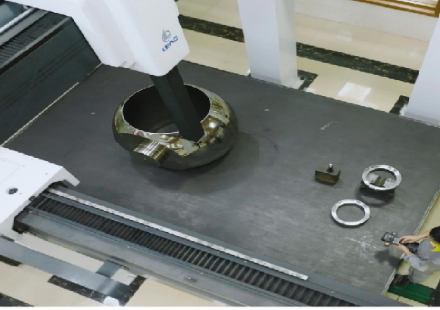
Large-Scale Coordinate Measuring Machine (CMM)
Provides high-precision dimensional inspection to ensure machining accuracy and product consistency.
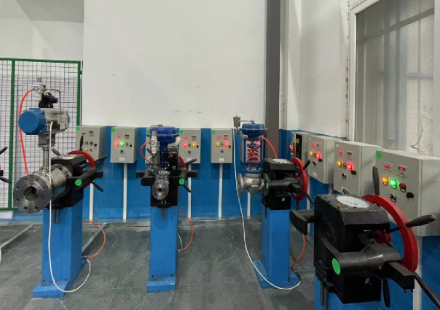
Valve Life Cycle Testing System
Evaluates valve durability and operational reliability through repeated opening and closing cycle tests.
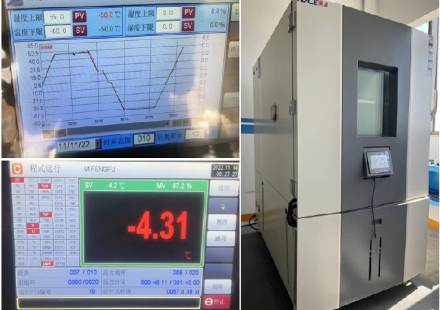
High & Low Temperature Test Chamber
Verifies valve performance and stability under extreme temperature conditions.
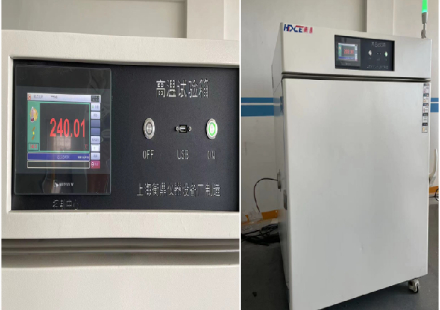
High Temperature Aging Test Chamber
Assesses long-term material stability and product reliability under continuous high-temperature exposure.
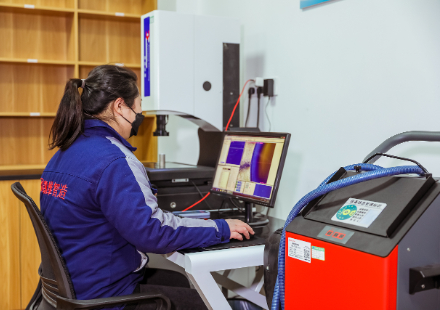
Desktop SPECTRO Optical Emission Spectrometer (Germany)
Performs rapid and accurate material composition analysis to ensure full material traceability and compliance.
Our engineering team evaluates these factors to ensure long-term reliability and regulatory compliance.

ISO9001:2015

ISO9001:2015

Environmental Management System Certification

Occupational Health & Safety Management System Certification

Certificate of Quality System Approval

ScheduleTo Certificate No HPiVS-iP1001-062-Q-10-00

CEPTUфNKAT COOTBETCTBNа

EAC

Certificate of Authority to use the Official APl Monogram

Certificate of Authority to use the Official APl Monogram

Certificate of Authority to use the Official APl Monogram

Certificate of Authority to use the Official APl Monogram

Certificate of Authority to use the Official APl Monogram

ISO 15848-1 QUALIFICATION CERTIFICATE

Test Report
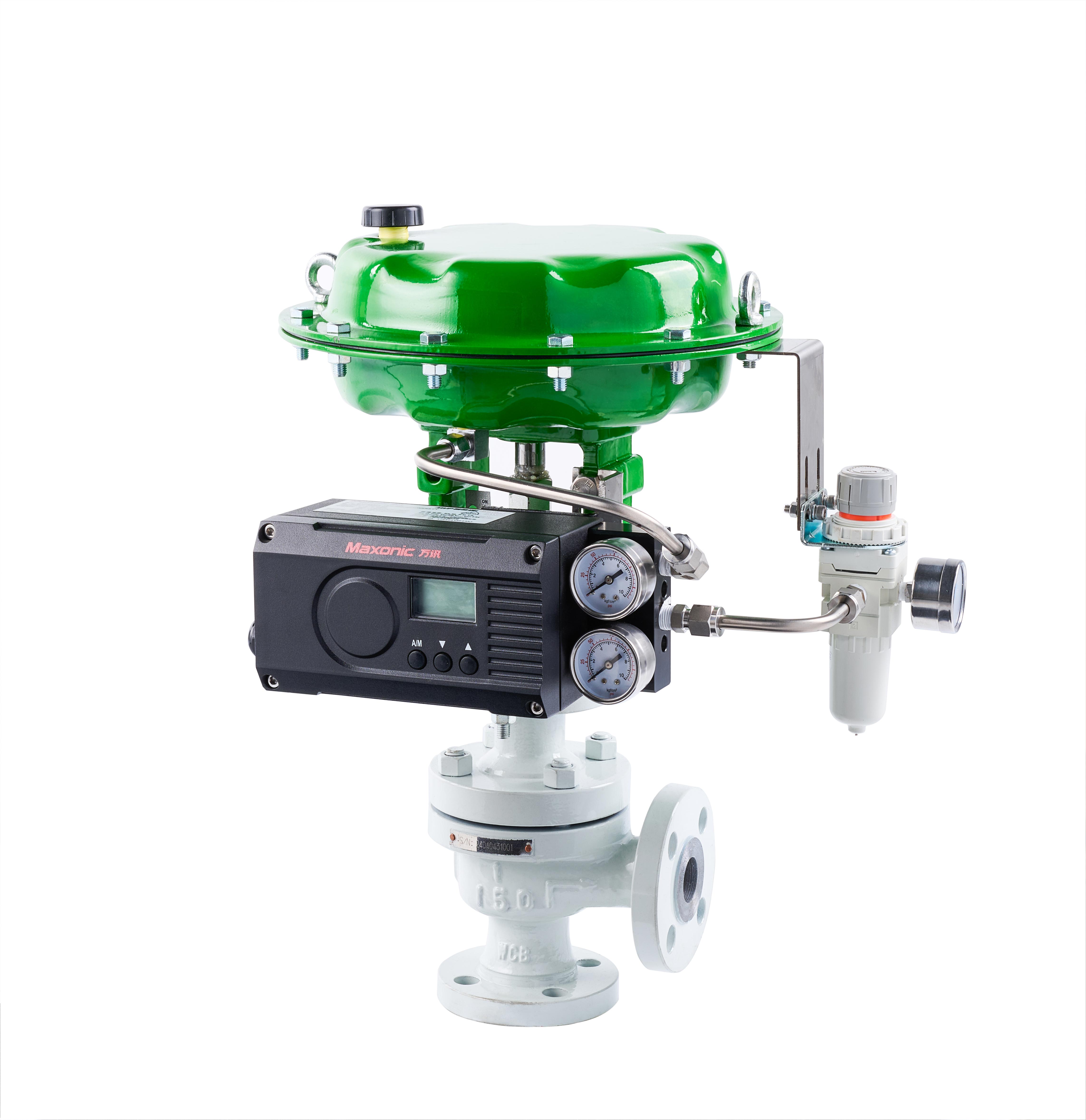
Control valves automatically regulate flow, pressure, temperature, and liquid level to maintain stable and efficient process operation.
A control valve receives signals from a controller and adjusts the valve opening through an actuator to achieve the required process conditions.
Control valves can be equipped with pneumatic, electric, or hydraulic actuators, depending on the application requirements.
Q How do I select the right control valve?
Valve selection depends on process media, flow rate, pressure, temperature, valve size, and the required control accuracy.
Q What is the difference between a control valve and an on/off valve?
An on/off valve is designed for isolation, while a control valve continuously modulates flow to maintain precise process parameters.
Q Which industries commonly use control valves?
Control valves are widely used in chemical processing, oil & gas, LNG, power generation, pharmaceutical manufacturing, food processing, and industrial automation systems.
Hangzhou Kaiwei Valve Group Co, Ltd, established in 2015, is a cutting-edgeindustrial enterprise that specializes in the R&D, design, casting, production,and sales of fluid control products and services
Contact Us
Downloads