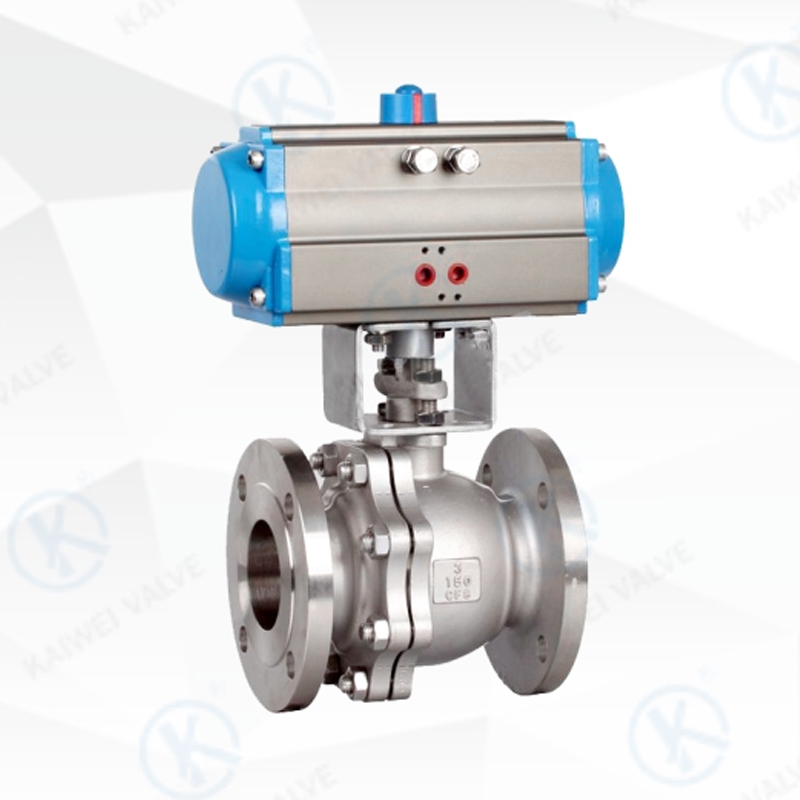
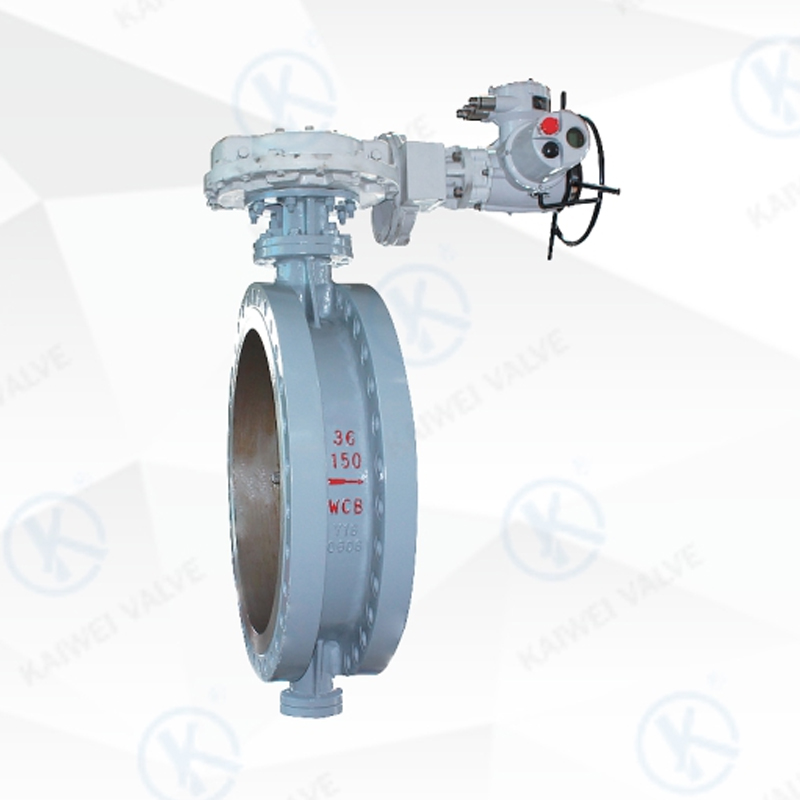
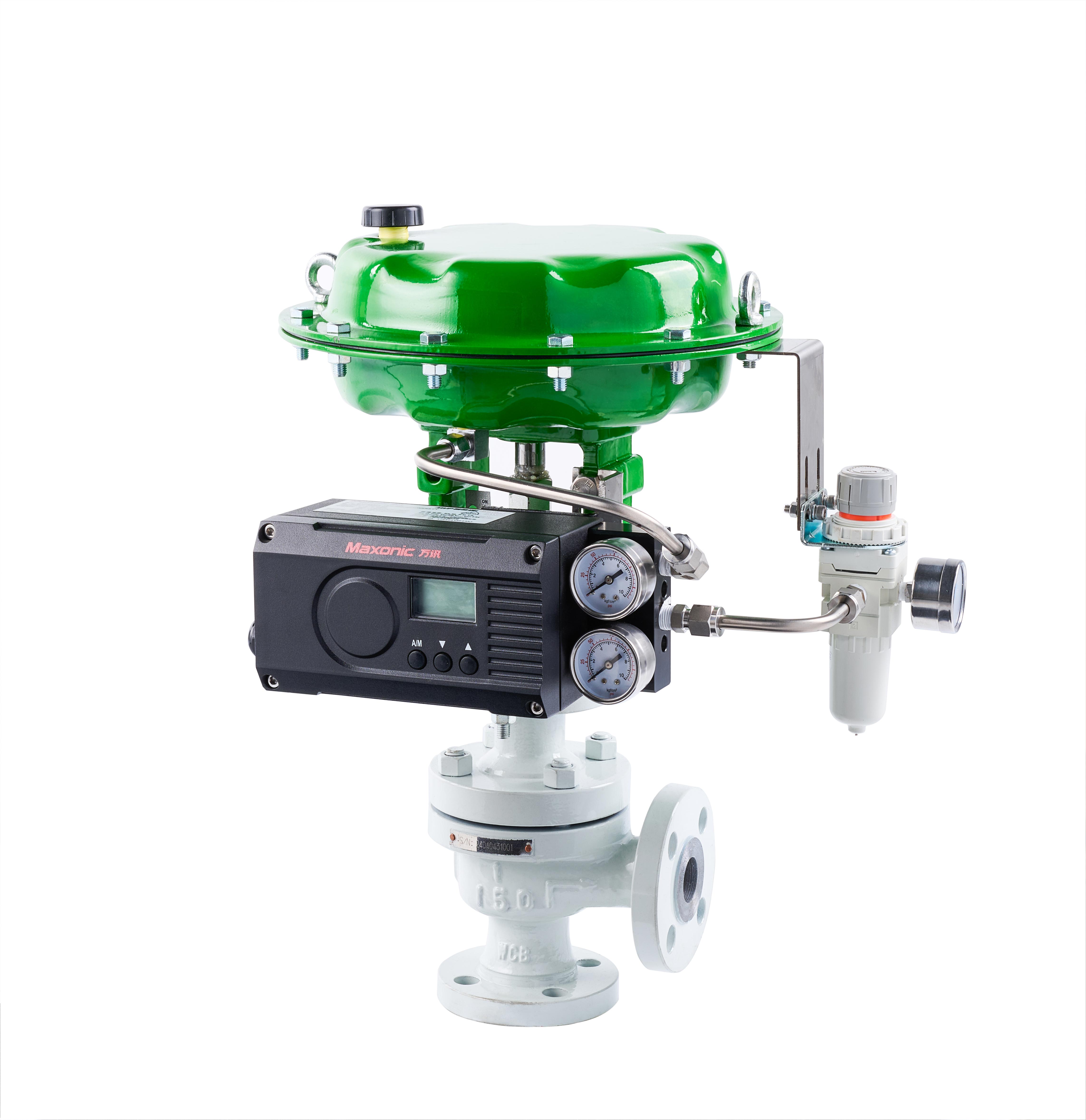
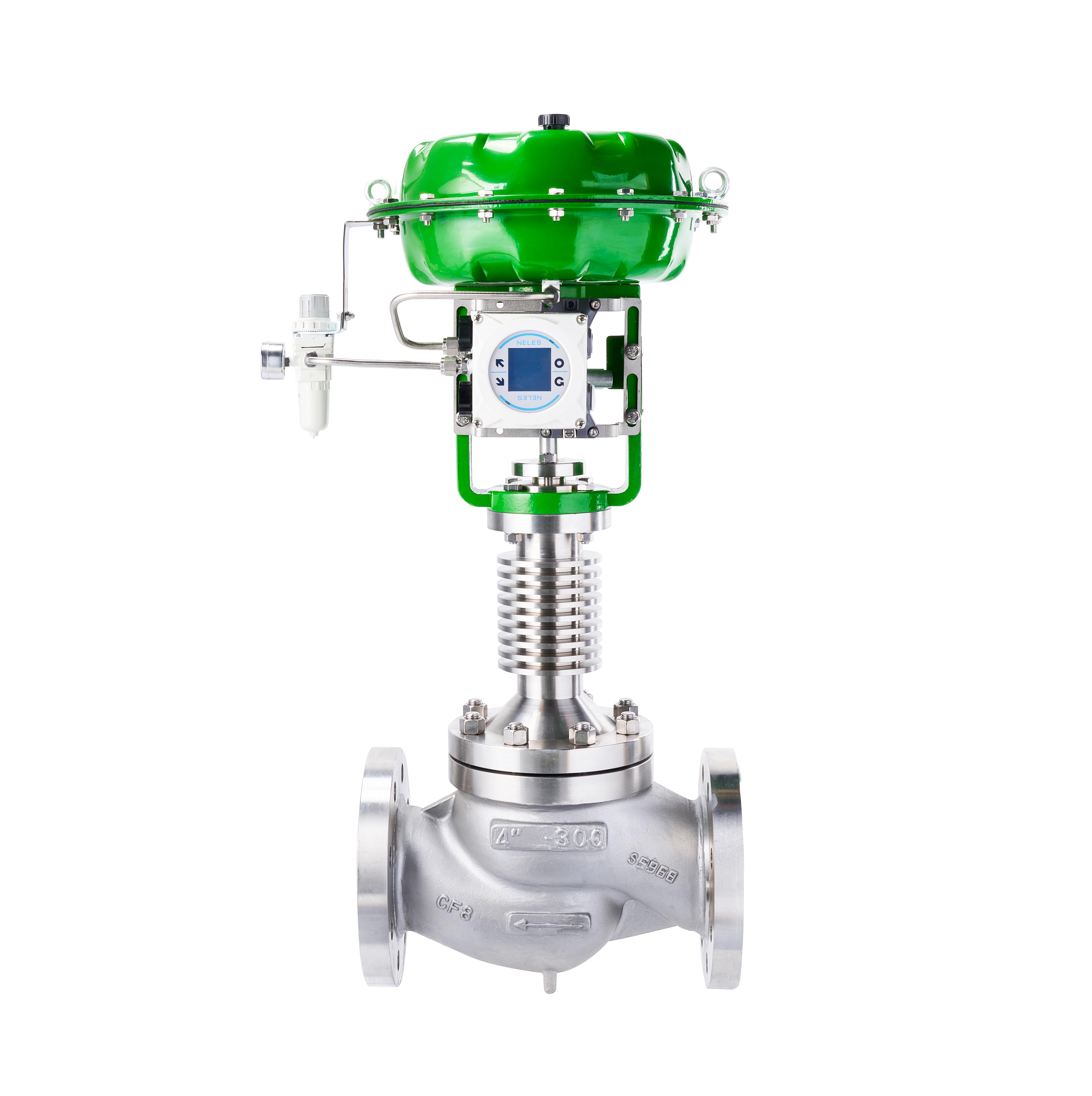
Control Valve
Home >> Products >> Control Valve >> Control Valve
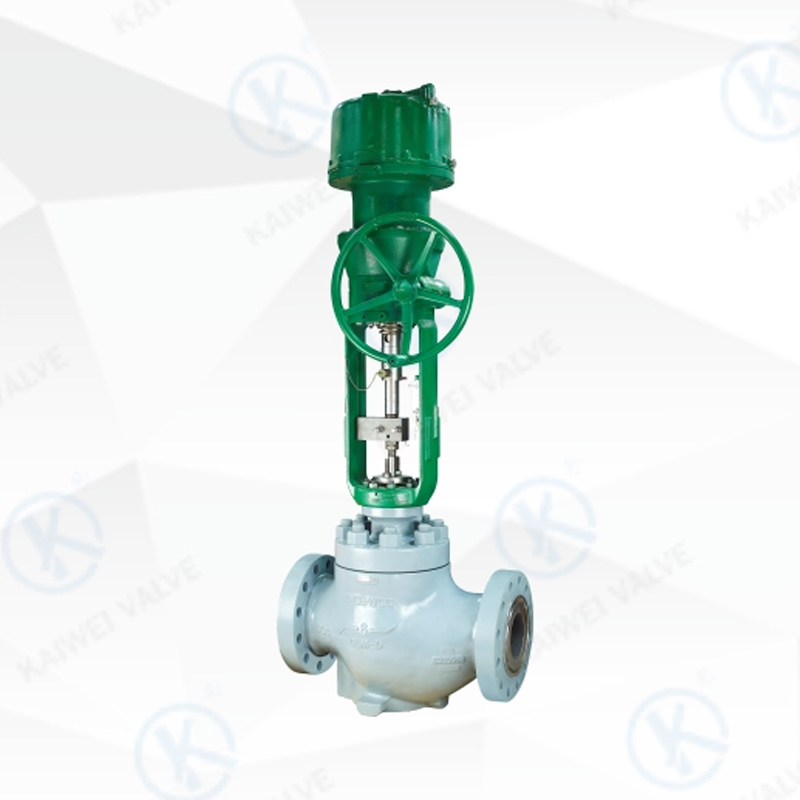
Designed for precise regulation of process conditions, the Control Valve continuously adjusts fluid flow in response to a control signal, helping maintain key parameters such as pressure, temperature, level, and flow rate. Its modulating trim and actuator-driven operation provide accurate positioning across changing process conditions, enabling stable and responsive control throughout the operating range.
The Control Valve is widely used in oil & gas, petrochemical, chemical processing, power generation, refining, and other automated process systems. With configurable body styles, trim characteristics, pressure ratings, and actuator options, it can be engineered for applications ranging from general process control to high-pressure, high-temperature, cavitating, flashing, or erosive services.
|
Product description: |
Control Valve |
|
Model: |
HP series Control Valve |
|
Nominal diameter: |
NPS 4"~24" |
|
Operating temperature: |
-18℃-+427℃ |
|
Operating pressure: |
Class 150Lb~2500Lb、PN16~64 |
|
Material: |
WCB、WC6、CF8、CF8M、CF3M、410S、304、316、316L |
|
Design standard: |
ANSI/ISA75 IEC 60534 ASME B16.34 |
|
Structural length: |
ISA 75.08、ASME B16.10 |
|
Connecting end: |
ASME B16.5、JB/T79、JB/T82、HG20592 |
|
Test standard: |
ASME B16.104、GB/T4213 |
|
Operation method: |
Electric operated、pneumatic operated、cylinder piston type |
|
Application fields: |
Water、Liquid、Steam、Gas |
Provides precise automatic control of flow, pressure, temperature, and liquid level for optimized process performance.
Precise Modulating Control
Provides continuous adjustment of flow to maintain process variables within the required operating range.
Multiple Flow Characteristics
Available with linear, equal-percentage, or other engineered flow characteristics to match different process control requirements.
Wide Operating Range
Trim and actuator combinations can be selected for varying flow rates, pressure differentials, temperatures, and process media.
Cavitation & Flashing Solutions
Specialized trim designs can manage high pressure drops and reduce the effects of cavitation, flashing, and excessive noise.
Anti-Cavitation & Low-Noise Trim
Multi-stage or pressure-reducing trim can dissipate pressure energy progressively for demanding applications.
Accurate Actuator Positioning
Pneumatic, electric, or hydraulic actuators can provide responsive and repeatable valve positioning.
Application-Specific Trim
Trim materials and configurations can be adapted to corrosive, erosive, high-temperature, or high-pressure services.
Stable Process Performance
Properly sized and characterized control valves help reduce process fluctuations and improve system efficiency.
Instrumentation Compatibility
Positioners, solenoid valves, limit switches, and other accessories can be integrated for automated monitoring and control.
Broad Process Applications
Suitable for pressure control, temperature regulation, flow control, level control, steam systems, feedwater, gas processing, and other continuous process applications.

Chemical Industry
Ball valves, butterfly valves, gate valves, globe valves, check valves, and control valves ensure safe fluid isolation, precise process control, and reliable operation in demanding chemical processing applications.

Oil Industry
Engineered for reliable isolation, flow regulation, and backflow prevention, our valve solutions support upstream, midstream, and downstream oil production and refining operations.

Natural Gas
Providing leak-tight sealing, dependable flow control, and safe pipeline operation for natural gas transmission, storage, LNG, and distribution systems.

Metallurgy
Built to withstand high temperatures, abrasive media, and harsh operating conditions in steelmaking, smelting, and metallurgical processing.

Power Generation
Ensuring reliable isolation, accurate flow control, and long-term performance in steam, boiler, turbine, and power plant systems.

Pharmaceutical
Delivering hygienic, precise, and contamination-free flow control for pharmaceutical manufacturing and clean process applications.

Steel Industry
Designed for high-temperature, high-pressure, and severe-service conditions in iron making, steelmaking, rolling mills, and auxiliary process systems.

New Energy
Supporting hydrogen, LNG, carbon capture, battery materials, and renewable energy projects with advanced valve solutions for safe and efficient process control.
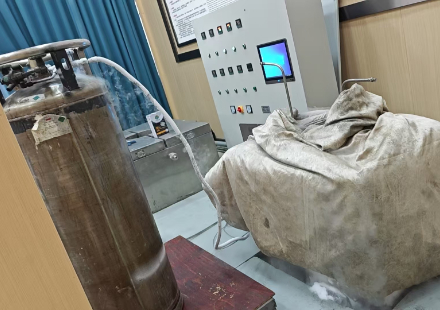
-196°C Cryogenic Liquid Nitrogen Test System
Simulates ultra-low-temperature operating conditions to verify valve sealing performance and reliability for cryogenic applications.
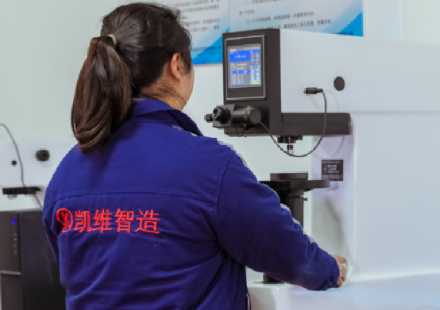
Brinell, Rockwell & Vickers Hardness Tester
Ensures material hardness meets international standards for strength, durability, and long-term performance.
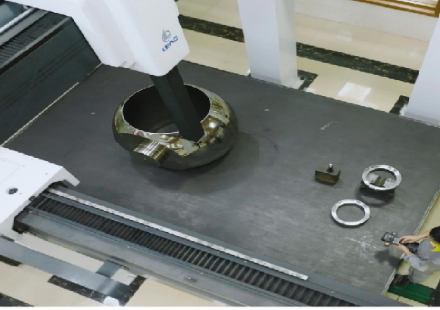
Large-Scale Coordinate Measuring Machine (CMM)
Provides high-precision dimensional inspection to ensure machining accuracy and product consistency.
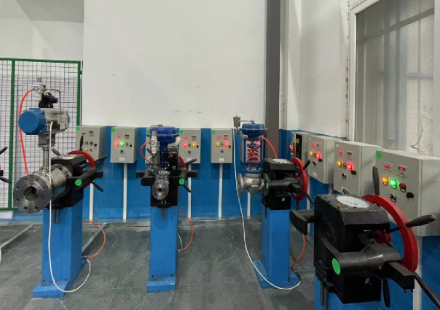
Valve Life Cycle Testing System
Evaluates valve durability and operational reliability through repeated opening and closing cycle tests.
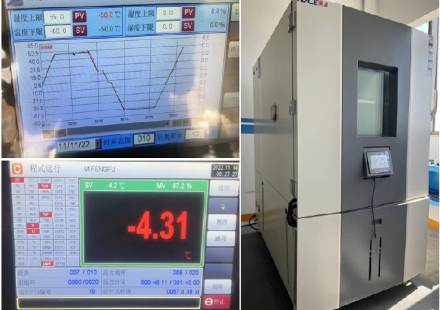
High & Low Temperature Test Chamber
Verifies valve performance and stability under extreme temperature conditions.
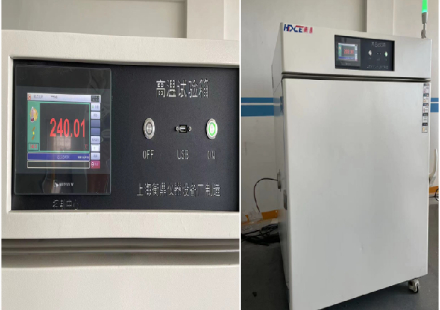
High Temperature Aging Test Chamber
Assesses long-term material stability and product reliability under continuous high-temperature exposure.
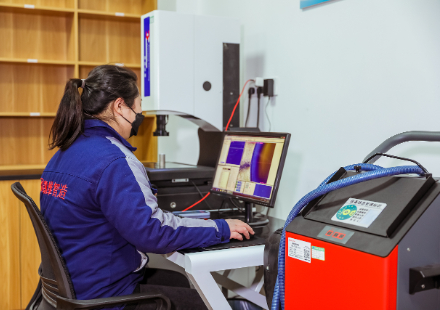
Desktop SPECTRO Optical Emission Spectrometer (Germany)
Performs rapid and accurate material composition analysis to ensure full material traceability and compliance.
Our engineering team evaluates these factors to ensure long-term reliability and regulatory compliance.

ISO9001:2015

ISO9001:2015

Environmental Management System Certification

Occupational Health & Safety Management System Certification

Certificate of Quality System Approval

ScheduleTo Certificate No HPiVS-iP1001-062-Q-10-00

CEPTUфNKAT COOTBETCTBNа

EAC

Certificate of Authority to use the Official APl Monogram

Certificate of Authority to use the Official APl Monogram

Certificate of Authority to use the Official APl Monogram

Certificate of Authority to use the Official APl Monogram

Certificate of Authority to use the Official APl Monogram

ISO 15848-1 QUALIFICATION CERTIFICATE

Test Report
Control valves automatically regulate flow, pressure, temperature, and liquid level to maintain stable and efficient process operation.
A control valve receives signals from a controller and adjusts the valve opening through an actuator to achieve the required process conditions.
Control valves can be equipped with pneumatic, electric, or hydraulic actuators, depending on the application requirements.
Q How do I select the right control valve?
Valve selection depends on process media, flow rate, pressure, temperature, valve size, and the required control accuracy.
Q What is the difference between a control valve and an on/off valve?
An on/off valve is designed for isolation, while a control valve continuously modulates flow to maintain precise process parameters.
Q Which industries commonly use control valves?
Control valves are widely used in chemical processing, oil & gas, LNG, power generation, pharmaceutical manufacturing, food processing, and industrial automation systems.
Hangzhou Kaiwei Valve Group Co, Ltd, established in 2015, is a cutting-edgeindustrial enterprise that specializes in the R&D, design, casting, production,and sales of fluid control products and services
Contact Us
Downloads

Engineering Support